



The history of traditional lathes is a fascinating journey through the annals of human ingenuity and technological progress. As a supplier of Traditional Lathes, I've had the privilege of delving deep into this rich history, and I'm excited to share it with you.
Ancient Origins
The story of lathes dates back thousands of years. The earliest known lathes were the two - person lathes used by ancient Egyptians around 1300 BC. One person would pull a rope wrapped around the workpiece to rotate it, while the other used a sharp tool to shape the wood. This simple yet effective method was the foundation upon which more advanced lathes would be built.
These early lathes were primarily used for woodworking. Craftsmen would create items like bowls, spindles, and furniture legs. The concept of using a rotating workpiece and a cutting tool became a fundamental principle that has endured throughout the history of lathes.
Medieval and Renaissance Developments
During the Middle Ages, lathes continued to evolve. In Europe, the treadle lathe was introduced. This innovation allowed a single operator to power the lathe. By using a foot - operated treadle, the operator could rotate the workpiece, leaving their hands free to control the cutting tool. This increased efficiency and precision in the turning process.
The Renaissance period saw further advancements. Clockmakers and instrument makers began to use lathes to create small, intricate parts. These lathes were often more precise and had better control mechanisms. They were used to make gears, screws, and other components essential for the development of time - keeping devices and scientific instruments.
Industrial Revolution: A Turning Point
The Industrial Revolution in the 18th and 19th centuries was a game - changer for lathe technology. With the rise of mass production, there was a need for more powerful, automated, and precise lathes.


Henry Maudslay, an English engineer, is often credited with inventing the first true screw - cutting lathe in 1797. This lathe could cut accurate screws with a consistent pitch, which was crucial for the standardization of machine parts. Maudslay's invention laid the foundation for modern manufacturing, as it allowed for the interchangeability of parts.
As the demand for manufactured goods grew, lathes became larger, more complex, and more versatile. The development of steam power provided a new source of energy for lathes, enabling them to operate at higher speeds and with greater force. These industrial lathes were used in a wide range of industries, from shipbuilding to textile manufacturing.
20th Century and Beyond
The 20th century brought about even more significant changes. The introduction of electric motors replaced steam and other power sources, making lathes more efficient and easier to operate. Precision engineering techniques improved, allowing for even greater accuracy in machining.
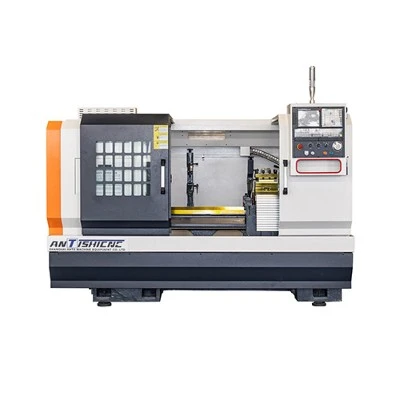
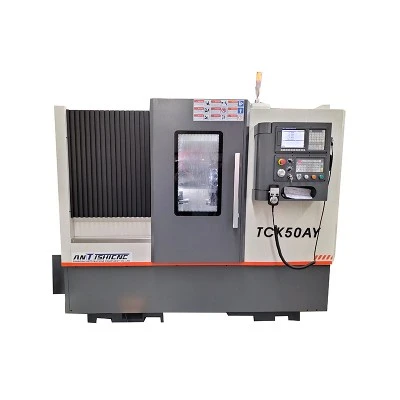
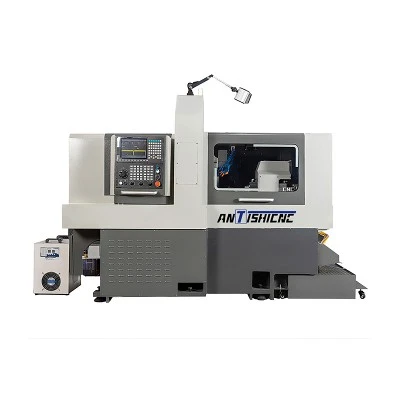
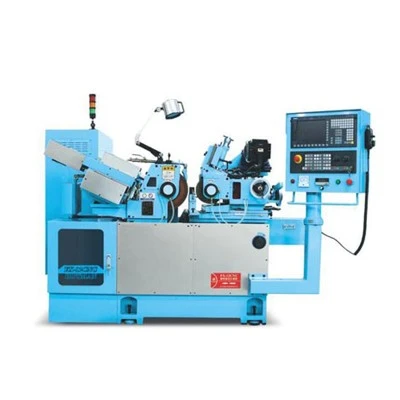
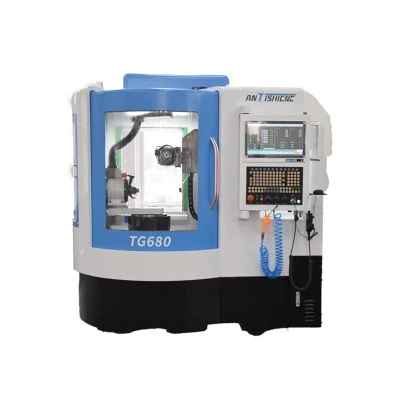
In the mid - 20th century, the development of numerical control (NC) and computer numerical control (CNC) technology revolutionized the lathe industry. CNC lathes use computer programs to control the movement of the cutting tool and the rotation of the workpiece. This technology offers unparalleled precision, repeatability, and flexibility. It has made it possible to produce complex parts with high accuracy in a relatively short time.
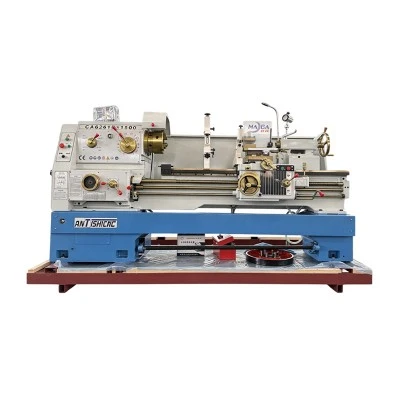
Today, traditional lathes still hold their place in the market. While CNC lathes are widely used in large - scale manufacturing, traditional lathes are preferred for certain applications. They are often used by small - scale manufacturers, hobbyists, and artisans who value the hands - on control and craftsmanship that traditional lathes offer.
Our Traditional Lathes
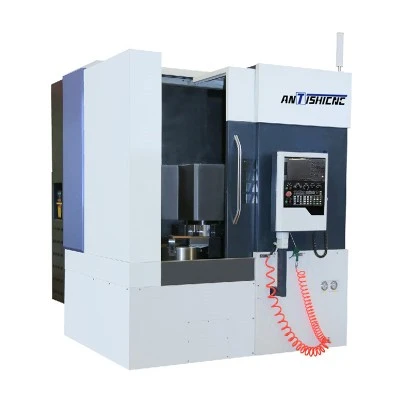
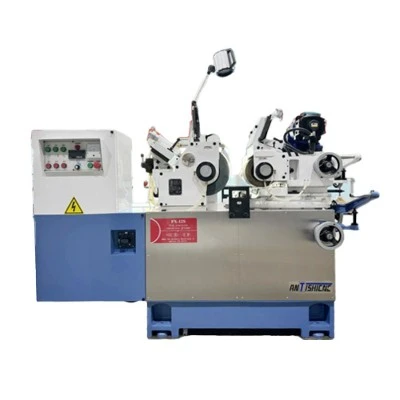
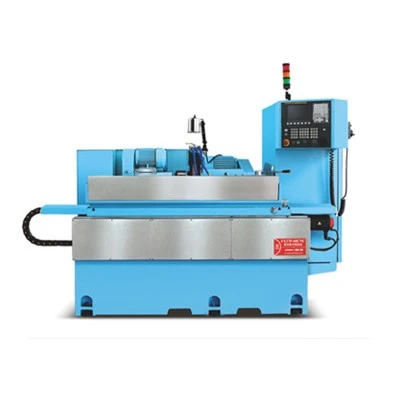
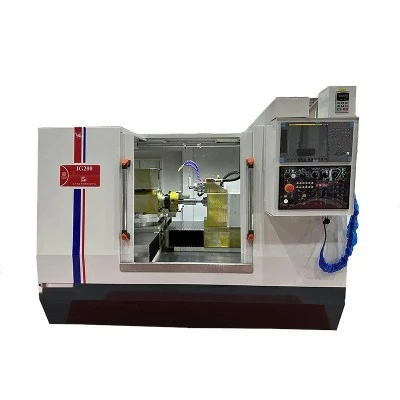
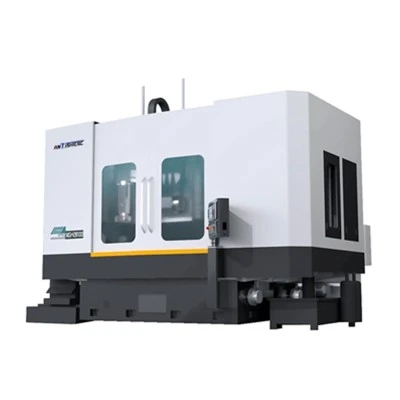
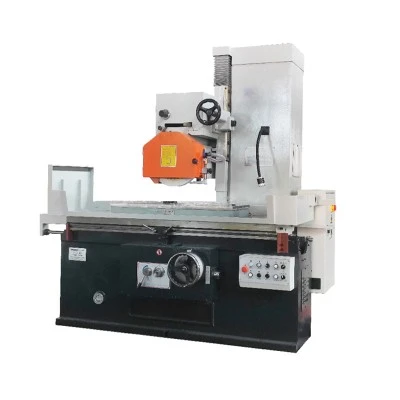
As a supplier of Traditional Lathe, we offer a range of high - quality products that combine the best of traditional craftsmanship with modern engineering. Our lathes are designed to meet the needs of various users, from professional machinists to hobbyists.
One of our popular products is the 7 Feet Lathe Machine. This lathe offers a good balance of size and power, making it suitable for a wide range of turning operations. It has a sturdy construction and precise controls, allowing for accurate machining of different materials.
We also offer Universal Lathe models. These lathes are highly versatile and can be used for a variety of tasks, including turning, facing, threading, and boring. They are equipped with advanced features that enhance performance and ease of use.
Why Choose Our Traditional Lathes?
- Quality and Durability: Our lathes are built to last. We use high - quality materials and advanced manufacturing processes to ensure that our products can withstand the rigors of continuous use.
- Precision: Precision is at the heart of our lathes. We pay close attention to every detail in the manufacturing process to ensure that our lathes can produce accurate and consistent results.
- Customer Support: We are committed to providing excellent customer support. Our team of experts is always ready to assist you with any questions or issues you may have regarding our lathes.
Contact Us for Purchase and洽谈
If you are interested in purchasing a traditional lathe, we invite you to contact us. Whether you are a professional in the manufacturing industry or a hobbyist looking to start your own workshop, our traditional lathes can meet your needs. We can provide you with detailed product information, pricing, and any other assistance you may require. Let's start a conversation and find the perfect traditional lathe for you.
References
- "A History of the Machine Tool Industry in the United States" by David A. Hounshell
- "Machine Tools: Past, Present, and Future" by John T. Black
- "The Development of the Lathe" by various authors in the Journal of Engineering History


