



Hey there! As a supplier of lathe machines, I often get asked about the installation requirements for these bad boys. So, let's dive right in and break it down.
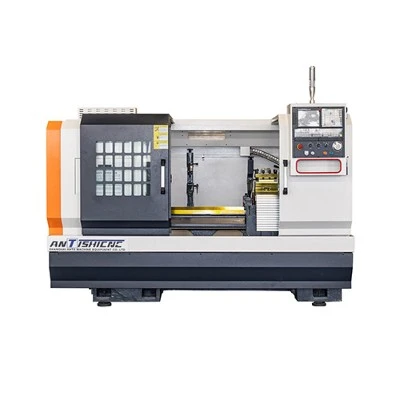
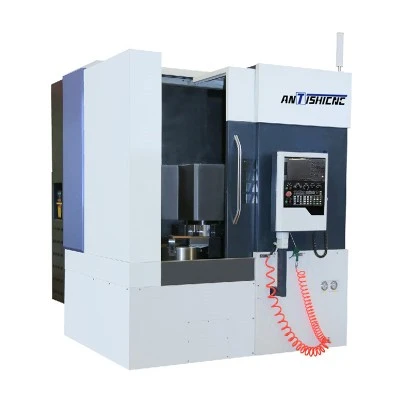
First off, location matters big time. You need to pick a spot that's flat and stable. A wobbly floor can mess with the accuracy of the lathe and cause all sorts of problems. Make sure the surface can handle the weight of the machine. Lathes can be pretty heavy, especially the Heavy Lathe. You don't want the floor to give way or start sinking under the load.


Next up is ventilation. Lathe machines generate heat and sometimes produce fumes, especially when you're working with certain materials. Good ventilation helps keep the air clean and prevents overheating. You might want to install an exhaust system or at least have some windows open to let the fresh air in. This is super important for both the machine's longevity and the health of the operators.
Power supply is another crucial factor. You need to make sure you have the right voltage and amperage for your lathe. Check the machine's manual to find out the specific power requirements. Most lathes run on standard industrial power, but it's always better to double - check. If the power supply isn't stable, it can cause the machine to malfunction or even damage it. And trust me, you don't want to deal with that headache.
Space is also a consideration. You need enough room around the lathe for operators to move freely. They should be able to access all parts of the machine easily, including the controls, tooling, and workpieces. You don't want them to be cramped or have to reach over the machine in an awkward way. Plus, you'll need space to store tools and materials nearby.
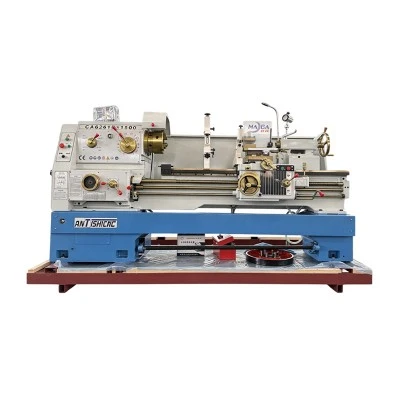
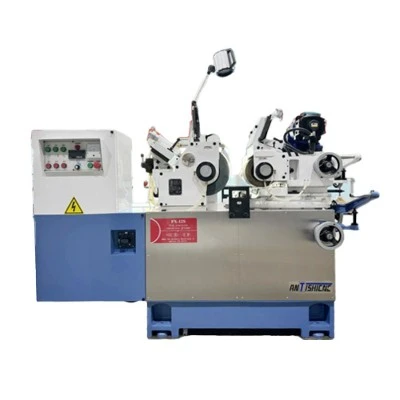
Now, let's talk about alignment. When you're installing the lathe, it has to be perfectly aligned. This means both horizontally and vertically. A misaligned lathe can lead to poor quality work and premature wear and tear on the machine. You'll need some precision tools, like a spirit level, to ensure the machine is level. And if you're installing a Parrallel Lathe Machine, getting the alignment right is even more critical because of its design.
Tooling setup is important too. You need to have the right tools for the job and make sure they're properly installed. The cutting tools should be sharp and securely fastened. Dull tools can cause rough cuts and put extra stress on the machine. And if the tools aren't installed correctly, they can fly off during operation, which is extremely dangerous.
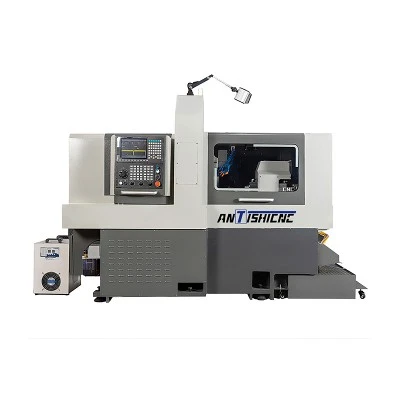
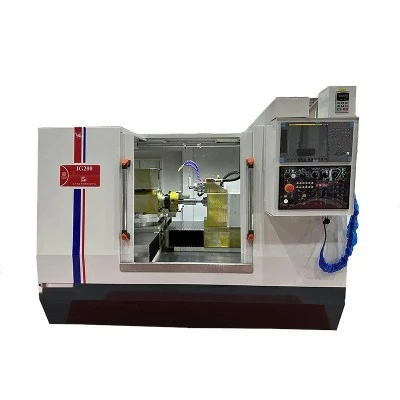
For the CNC Swiss Lathe Machine, there are additional requirements. You need to have a computer system that's compatible with the machine's software. The software is what controls the precision and automation of the lathe. Make sure the computer has enough processing power and memory to handle the complex programming.
Maintenance access is something that's often overlooked. You should have easy access to all the parts of the lathe that need regular maintenance, like the lubrication points, belts, and filters. This makes it easier to keep the machine in good working condition and reduces the risk of breakdowns.
Another thing to think about is safety. You need to install safety guards around the moving parts of the lathe. These guards protect the operators from getting injured by the spinning components. And don't forget about emergency stop buttons. They should be easily accessible so that the machine can be shut down immediately in case of an emergency.
Now, let's talk about calibration. After installation, you need to calibrate the lathe to ensure it's operating at its best. This involves checking the accuracy of the spindle, the feed rate, and the cutting depth. Calibration is a precise process, and it might take a bit of time, but it's worth it to get high - quality results.
Training is also a must. Your operators need to be properly trained on how to use the lathe safely and effectively. They should know how to operate the controls, change tools, and perform basic maintenance. A well - trained operator can get the most out of the machine and reduce the risk of accidents.
If you're thinking about installing a lathe machine, don't hesitate to reach out. We're here to help you every step of the way. Whether you have questions about the installation requirements or need advice on which lathe is right for your business, we've got you covered. We've been in the business for a long time, and we know what it takes to get these machines up and running smoothly. So, if you're interested in purchasing a lathe machine, feel free to start a conversation with us. We can discuss your specific needs and come up with a solution that works for you.
References:
- General knowledge and experience in the lathe machine industry.
- Manufacturer's manuals for various lathe machines.


