


Hey there! As a heavy lathe machine supplier, I often get asked about the lead screw accuracy of heavy lathe machines. So, I thought I'd sit down and write this blog to share what I know about it.
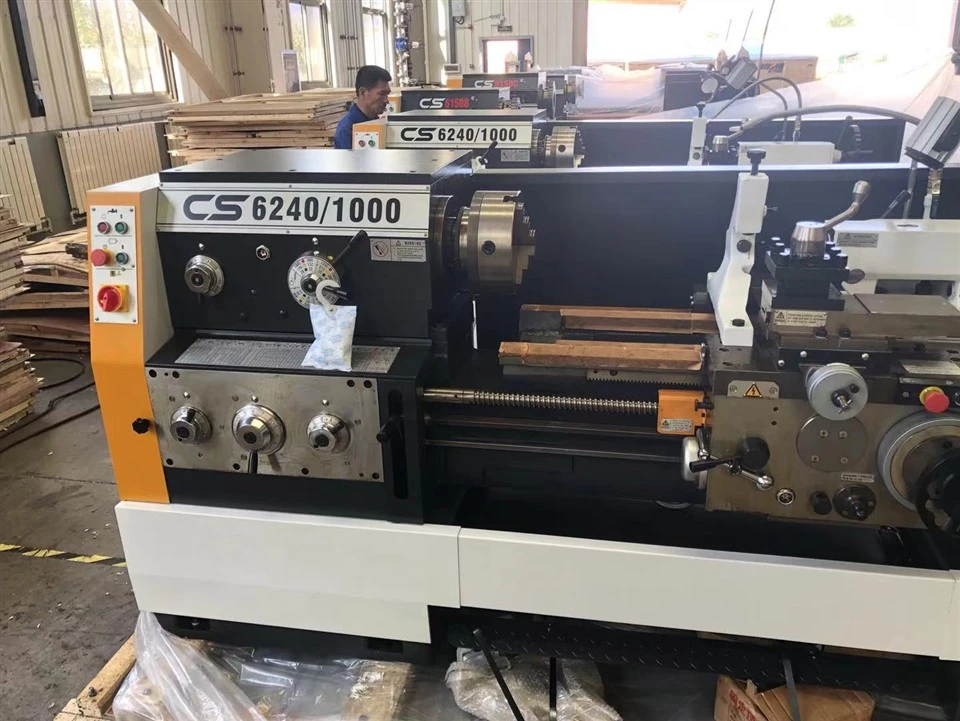
First off, let's talk about what a lead screw is. In a lathe machine, the lead screw is a crucial component. It's responsible for converting rotary motion into linear motion. When the spindle of the lathe rotates, the lead screw moves the carriage along the bed of the lathe. This movement is what allows us to create precise threads and other turning operations on the workpiece.
Now, the accuracy of the lead screw is super important. It directly affects the quality of the workpieces produced on the lathe. High lead screw accuracy means we can achieve very precise thread pitches, diameters, and surface finishes. On the other hand, low accuracy can lead to issues like inconsistent thread pitches, rough surface finishes, and even parts that don't fit together properly.
There are several factors that can influence the lead screw accuracy of a heavy lathe machine. One of the main factors is the manufacturing quality of the lead screw itself. A well - made lead screw, with tight tolerances and high - quality materials, will generally have better accuracy. For example, lead screws made from high - grade steel and machined with precision grinding techniques are likely to be more accurate than those made from lower - quality materials and less precise manufacturing methods.
Another factor is the wear and tear of the lead screw over time. As the lathe machine is used, the lead screw will experience friction and mechanical stress. This can cause the surface of the lead screw to wear, which in turn reduces its accuracy. Regular maintenance, such as lubrication and proper alignment, can help to minimize this wear and extend the life of the lead screw, thus maintaining its accuracy.
The design of the lathe machine also plays a role in lead screw accuracy. A heavy lathe machine with a rigid and stable structure can better support the lead screw and reduce vibrations. Vibrations can cause the lead screw to move erratically, leading to inaccuracies in the workpiece. For instance, a lathe with a well - designed bed and a solid base will provide a more stable platform for the lead screw to operate, resulting in better accuracy.
Let's take a look at some of the common ways to measure lead screw accuracy. One of the most straightforward methods is to use a pitch gauge. A pitch gauge is a simple tool that can be used to measure the pitch of the threads on the lead screw. By comparing the measured pitch with the specified pitch, we can determine if the lead screw is accurate. Another method is to use a dial indicator. A dial indicator can be used to measure the linear movement of the carriage as the lead screw rotates. Any deviations from the expected movement can indicate a problem with the lead screw accuracy.
Now, I want to mention some of the heavy lathe machines we offer at our company. We have a great selection of lathe machines, including the Lathe Machine 8 Feet. This machine is known for its excellent lead screw accuracy. It's designed with high - quality components and a robust structure, which ensures stable and precise operation.
Our Large Lathe Machine is another great option. It's suitable for heavy - duty applications and can handle large workpieces. The lead screw on this machine is carefully engineered to provide high accuracy, even when dealing with large - scale turning operations.
If you're looking for a more traditional option, our Traditional Lathe Machine is a classic choice. It combines the charm of traditional lathe design with modern lead screw technology to offer good accuracy and reliability.
When it comes to choosing a heavy lathe machine based on lead screw accuracy, it's important to consider your specific needs. If you're working on high - precision parts, such as those used in the aerospace or medical industries, you'll need a lathe machine with extremely high lead screw accuracy. On the other hand, if you're doing more general - purpose turning work, a machine with a moderate level of accuracy may be sufficient.
In addition to the factors I've mentioned above, the control system of the lathe machine can also impact lead screw accuracy. Modern heavy lathe machines often come with advanced CNC (Computer Numerical Control) systems. These systems can precisely control the movement of the lead screw, allowing for highly accurate and repeatable operations. The CNC system can compensate for any small inaccuracies in the lead screw by adjusting the movement of the carriage in real - time.
So, how can you ensure that you're getting the best lead screw accuracy from your heavy lathe machine? First, make sure to choose a reputable supplier. A good supplier will offer high - quality lathe machines with accurate lead screws. They will also provide after - sales support, including maintenance and repair services. Second, follow the manufacturer's recommended maintenance schedule. This includes regular lubrication, cleaning, and inspection of the lead screw. Third, train your operators properly. A well - trained operator will know how to use the lathe machine correctly, which can help to maintain the lead screw accuracy.

If you're in the market for a heavy lathe machine and want to learn more about lead screw accuracy or any of our products, don't hesitate to reach out. We're here to help you make the right choice for your business. Whether you're a small workshop or a large manufacturing plant, we have the right lathe machine for you.
In conclusion, lead screw accuracy is a critical aspect of a heavy lathe machine. It affects the quality of the workpieces, the efficiency of the production process, and the overall performance of the machine. By understanding the factors that influence lead screw accuracy and taking the necessary steps to maintain it, you can ensure that your lathe machine operates at its best. So, if you're interested in our heavy lathe machines, contact us today for more information and let's start a great business relationship.
References:
- "Machinery's Handbook" - A comprehensive reference book on machine tools and manufacturing processes.
- Industry standards and guidelines for heavy lathe machine manufacturing.


