


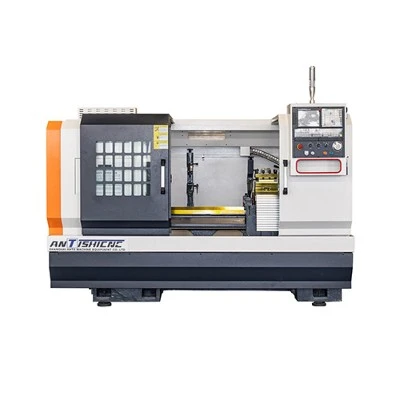
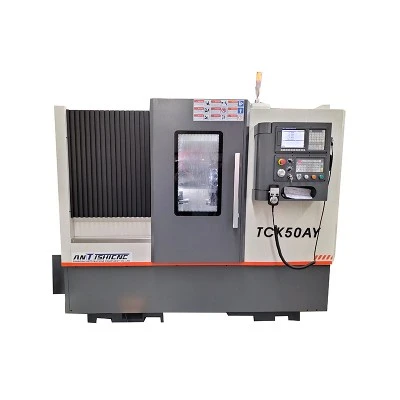
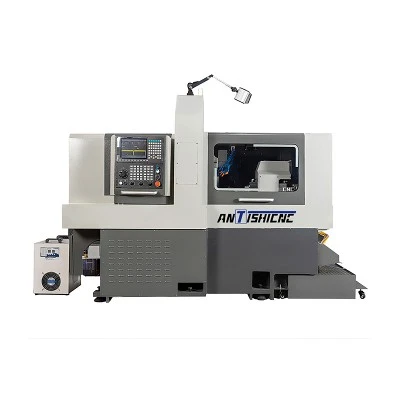
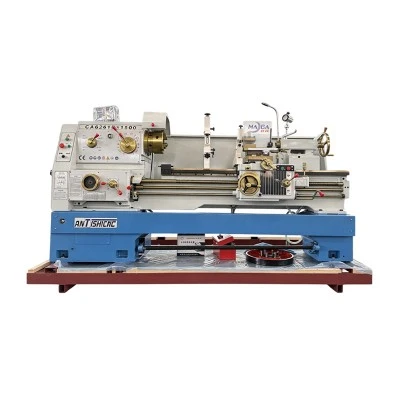
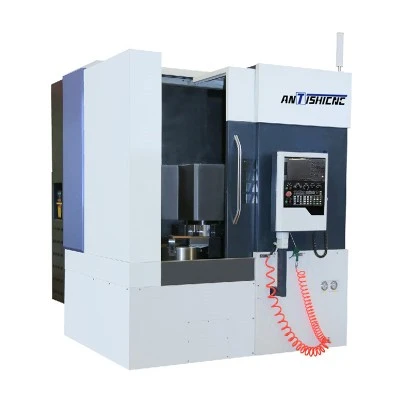
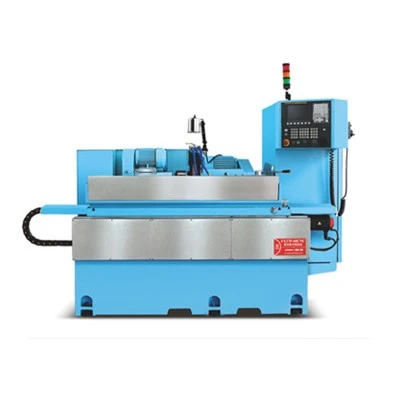
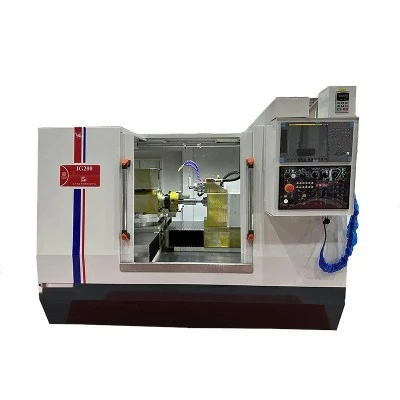
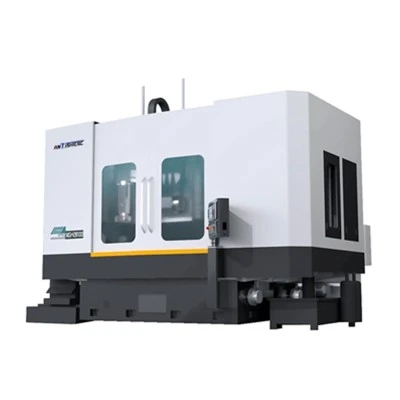
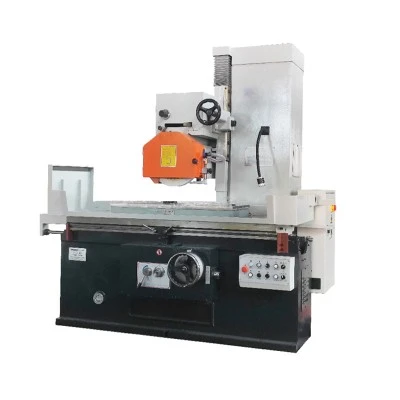
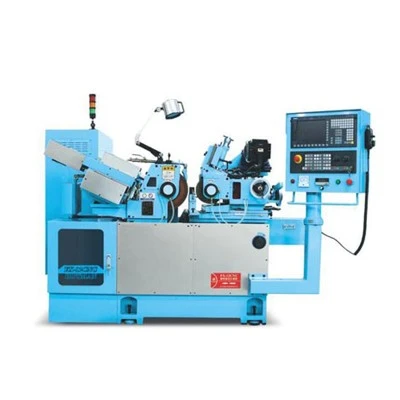
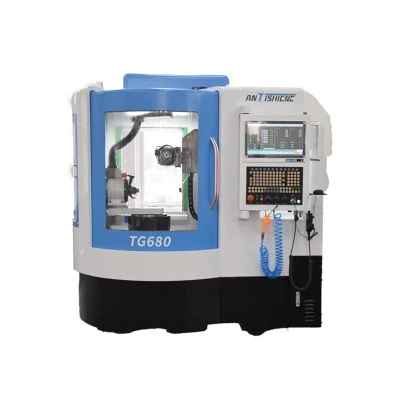

Hey there! As a flat bed lathe supplier, I often get asked about the power consumption of these machines. It's an important topic, especially for businesses looking to manage their energy costs and make environmentally friendly choices. So, let's dive into what affects the power consumption of a flat bed lathe and how you can estimate it.
Factors Affecting Power Consumption
First off, the power consumption of a flat bed lathe isn't a one - size - fits - all number. There are several factors that come into play.
1. Motor Power
The motor is the heart of the lathe, and its power rating is a major determinant of how much electricity the machine uses. Generally, larger flat bed lathes with more powerful motors will consume more power. For example, a small hobby - grade flat bed lathe might have a motor rated at around 1 - 2 horsepower (hp). In contrast, industrial - grade flat bed lathes can have motors ranging from 5 hp to 20 hp or even more. A 5 - hp motor running at full load will draw significantly more power than a 1 - hp motor.
2. Cutting Operations
The type of cutting operations you perform on the lathe also impacts power consumption. Heavy - duty cutting, such as rough turning large - diameter workpieces or cutting hard materials like stainless steel, requires more power. The lathe has to work harder to remove material, which means the motor has to draw more current. On the other hand, light finishing cuts use less power as the amount of material being removed is minimal.
3. Machine Efficiency
Older flat bed lathes may not be as energy - efficient as newer models. Newer machines often come with advanced motor control systems and better - designed components that reduce energy waste. For instance, some modern lathes use variable frequency drives (VFDs) to adjust the motor speed according to the cutting requirements. This means the motor doesn't always have to run at full speed, saving a significant amount of power.
4. Auxiliary Equipment
Many flat bed lathes come with auxiliary equipment like coolant pumps, lubrication systems, and control panels. These additional components also consume power. A large coolant pump, for example, can add to the overall power draw of the machine.
Estimating Power Consumption
So, how can you estimate the power consumption of a flat bed lathe? Here's a simple way to get a ballpark figure.
First, find the power rating of the main motor on the lathe. This is usually listed in the machine's specifications. Let's say you have a flat bed lathe with a 10 - hp motor. One horsepower is approximately equal to 746 watts. So, a 10 - hp motor has a power rating of about 7460 watts or 7.46 kilowatts (kW).
However, the motor doesn't always run at full load. In real - world operations, the average load factor can vary. For light - duty operations, the load factor might be around 30 - 50%. For heavy - duty operations, it could be 70 - 90%.
Let's assume you're doing light - duty work with a load factor of 40%. To calculate the actual power consumption, you multiply the motor's power rating by the load factor. So, for our 10 - hp (7.46 kW) motor, the actual power consumption would be 7.46 kW x 0.4 = 2.984 kW.
If you run the lathe for 8 hours a day, the daily energy consumption would be 2.984 kW x 8 hours = 23.872 kilowatt - hours (kWh).
Comparing with Other Lathe Types
It's also interesting to compare the power consumption of flat bed lathes with other types of lathes. For example, Turn Mill Center Machine combines turning and milling operations in one machine. These machines are often more complex and may have multiple motors and advanced control systems. As a result, they can consume more power than a simple flat bed lathe, especially when performing complex multi - axis operations.
Fanuc CNC Lathe is known for its precision and advanced technology. These lathes are designed to optimize power consumption through intelligent control systems. They can adjust the motor speed and power output based on the cutting task, which can lead to significant energy savings compared to traditional flat bed lathes in some cases.
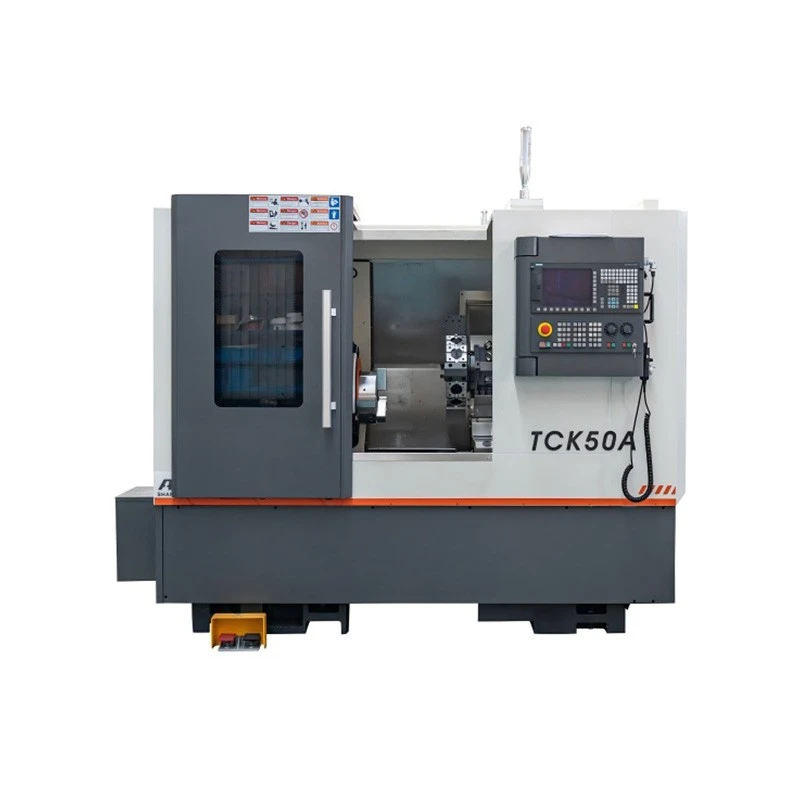
Slant Lathe has a slanted bed design, which offers better chip evacuation and cutting performance. In terms of power consumption, it can be similar to a flat bed lathe of the same size and motor power. However, the efficiency of the cutting operations on a slant lathe might be different, which can affect the overall power usage.
Tips to Reduce Power Consumption
If you're looking to reduce the power consumption of your flat bed lathe, here are some tips:
- Use VFDs: As mentioned earlier, variable frequency drives can adjust the motor speed according to the cutting requirements. This can save a lot of energy, especially during light - duty operations.
- Maintain the Machine: Regular maintenance ensures that the lathe runs efficiently. Keep the motor clean, lubricate the moving parts, and check the belts and gears for wear. A well - maintained machine will consume less power.
- Optimize Cutting Parameters: Choose the right cutting speed, feed rate, and depth of cut for the material you're working with. Using the correct parameters can reduce the load on the motor and save energy.
Conclusion
In conclusion, the power consumption of a flat bed lathe depends on various factors such as motor power, cutting operations, machine efficiency, and auxiliary equipment. By understanding these factors, you can estimate the power consumption of your lathe and take steps to reduce it.
If you're in the market for a flat bed lathe or want to learn more about our products, we'd love to hear from you. Whether you're a small - scale workshop or a large industrial facility, we have the right flat bed lathe to meet your needs. Contact us to start a conversation about your requirements and let's find the perfect solution together.

References
- Machinery's Handbook, 31st Edition
- Various technical manuals from flat bed lathe manufacturers


