


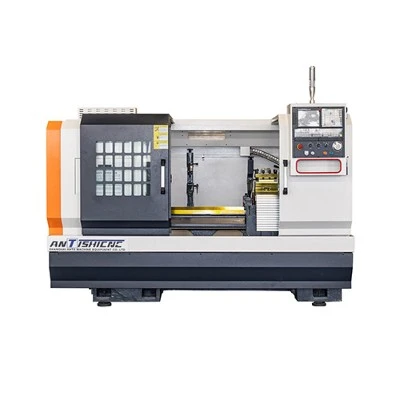
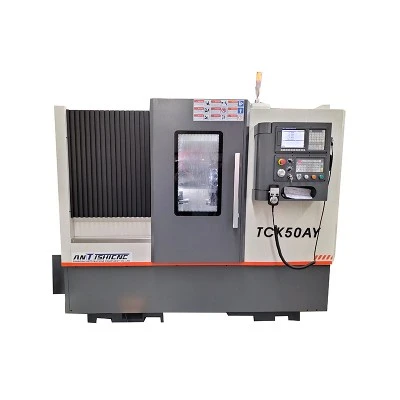
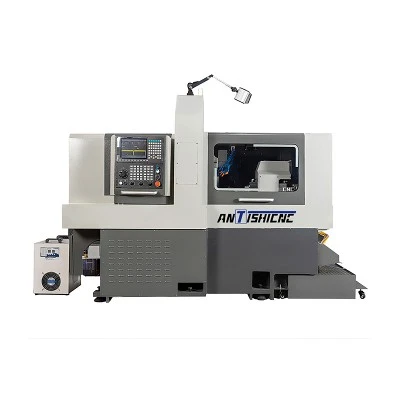
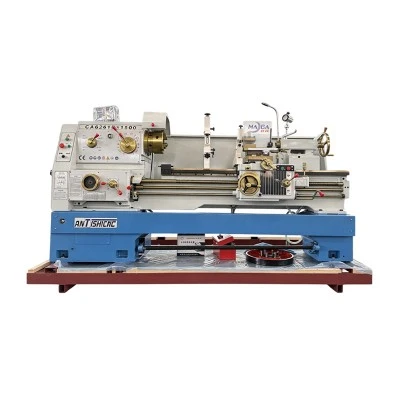
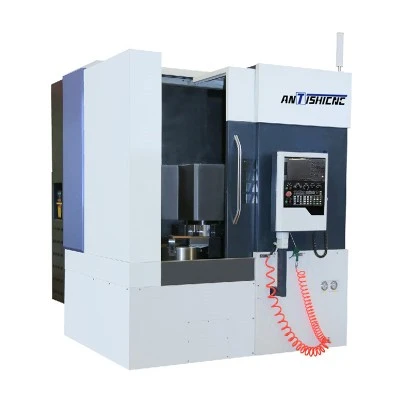
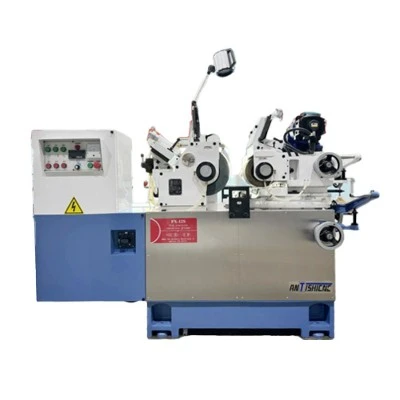
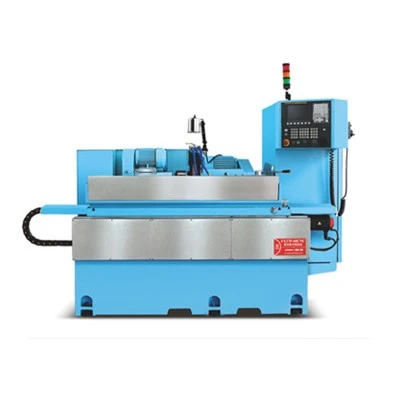
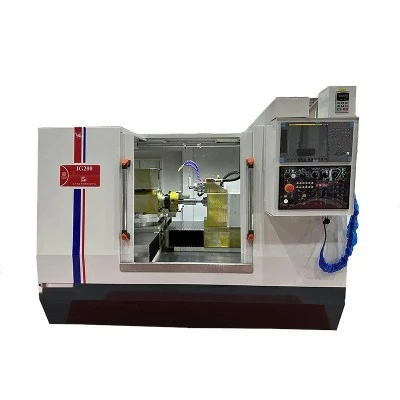
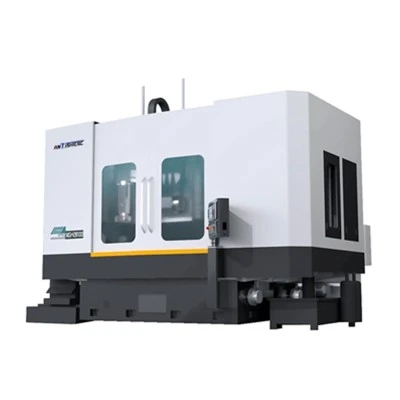
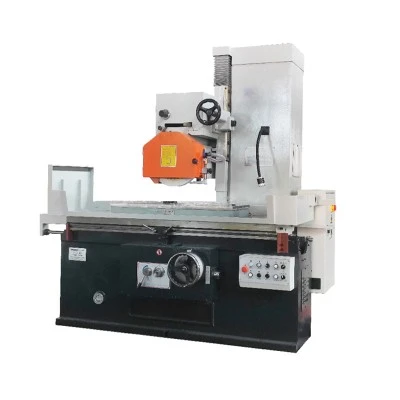
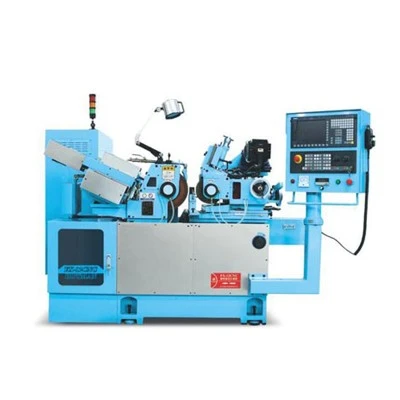
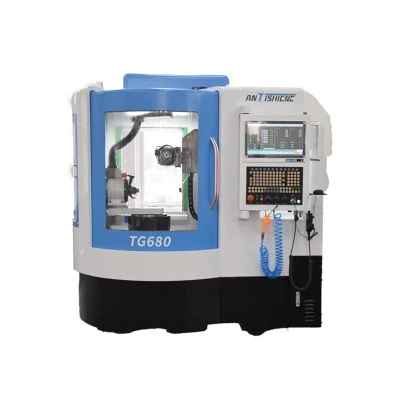

Hey there! As a supplier of Flatbed CNC machines, I often get asked about the rigidity of the guide rails. So, let's dive right into it and figure out what this whole "rigidity of Flatbed CNC's guide rails" thing is all about.
What Are Guide Rails in a Flatbed CNC Machine?
First off, let's talk about what guide rails are. In a Flatbed CNC machine, the guide rails are like the highways for the moving parts. They provide a path for the tool head or the workpiece to move along with precision. Think of them as the tracks that a train follows. Without proper guide rails, the machine wouldn't be able to move accurately, and that would mess up the whole machining process.
Why Is Rigidity Important?
Rigidity is crucial for a bunch of reasons. When the guide rails are rigid, it means they can withstand the forces that are applied during the machining process. You see, when a Flatbed CNC machine is cutting, drilling, or milling a workpiece, there are all sorts of forces at play. These forces can cause the guide rails to bend or vibrate if they're not rigid enough.
If the guide rails bend or vibrate, it can lead to a bunch of problems. For one, the accuracy of the machining process will be affected. The tool might not cut in the right place, or the surface finish of the workpiece might be rough. This can result in parts that don't meet the required specifications, which is a big no - no in the manufacturing world.
Another issue is that excessive vibration can cause premature wear and tear on the guide rails and other components of the machine. This means you'll have to replace parts more often, which can be costly and time - consuming. So, in short, rigidity is essential for maintaining accuracy, reducing wear, and ensuring the overall efficiency of the Flatbed CNC machine.
Factors Affecting the Rigidity of Guide Rails
There are several factors that can affect the rigidity of the guide rails in a Flatbed CNC machine.
Material
The material used to make the guide rails plays a huge role. High - quality materials like cast iron or steel are often used because they have good strength and stiffness. Cast iron, for example, is known for its damping properties, which can help reduce vibration. Steel, on the other hand, is very strong and can withstand high loads. At our company, we carefully select the materials for our guide rails to ensure maximum rigidity.
Design
The design of the guide rails is also important. The shape, size, and cross - section of the guide rails can all impact their rigidity. For instance, a guide rail with a larger cross - section will generally be more rigid than one with a smaller cross - section. Some guide rails are designed with special features like ribs or grooves to increase their stiffness. Our engineers spend a lot of time designing the guide rails to optimize their rigidity and performance.
Installation
How the guide rails are installed is another crucial factor. If the guide rails are not installed correctly, they might not be able to perform at their best. They need to be properly aligned and secured to the machine bed. Any misalignment can cause uneven loading on the guide rails, which can reduce their rigidity. We provide detailed installation instructions and support to make sure our customers install the guide rails correctly.
Types of Guide Rails and Their Rigidity
There are different types of guide rails used in Flatbed CNC machines, and each type has its own level of rigidity.
Box - Type Guide Rails
Box - type guide rails are known for their high rigidity. They have a closed - loop design, which provides good support and stability. The contact area between the guide rail and the moving component is relatively large, which helps distribute the forces evenly. This type of guide rail is often used in heavy - duty machining applications where high loads are involved. You can check out our Flat Bed Lathe Machine models that use box - type guide rails for excellent rigidity.
Linear Guide Rails
Linear guide rails are more commonly used in high - speed machining applications. They have a lower friction coefficient, which allows for faster movement. While they may not be as rigid as box - type guide rails in terms of load - bearing capacity, modern linear guide rails are designed to be quite rigid. They use ball or roller bearings to reduce friction and provide smooth movement. Our CNC Turn Mill Center Machine often utilizes linear guide rails for their speed and decent rigidity.

V - Type Guide Rails
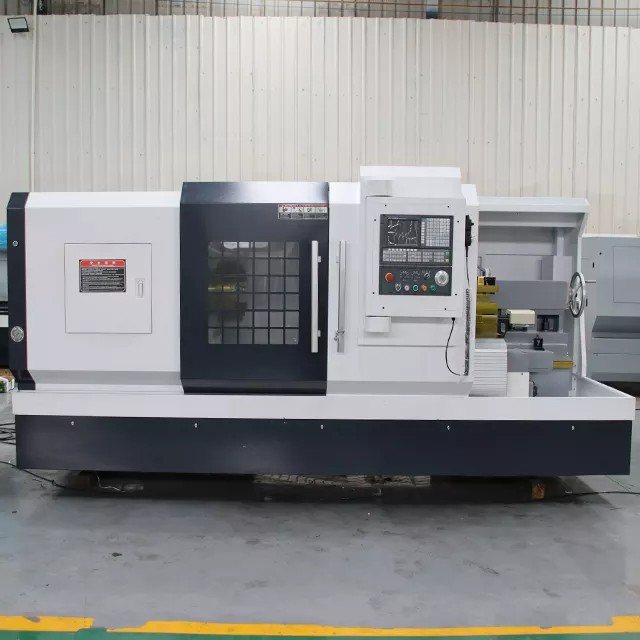
V - type guide rails are another option. They have a V - shaped cross - section, which provides self - alignment and good load - carrying capacity. They are relatively simple in design and can be cost - effective. However, their rigidity might not be as high as box - type guide rails in some cases. Our Horizontal CNC Lathe models offer different guide rail options, including V - type guide rails, depending on the customer's requirements.
Measuring the Rigidity of Guide Rails
Measuring the rigidity of guide rails is not an easy task. There are several methods that can be used, but one common approach is to measure the deflection of the guide rails under a known load. This can be done using specialized measuring equipment.
The deflection is the amount by which the guide rail bends or moves when a load is applied. A lower deflection indicates higher rigidity. By measuring the deflection at different points along the guide rail, we can get an idea of how well it can withstand the forces during machining.
Maintaining the Rigidity of Guide Rails
To keep the guide rails in good condition and maintain their rigidity over time, proper maintenance is essential.
Lubrication
Lubrication is key. It helps reduce friction between the guide rails and the moving components, which can prevent wear and tear. We recommend using high - quality lubricants and following the manufacturer's guidelines for lubrication intervals.
Cleaning
Regular cleaning is also important. Dust, chips, and other debris can accumulate on the guide rails, which can affect their performance. Cleaning the guide rails with a suitable cleaning agent can help keep them in good shape.
Inspection
Periodic inspection of the guide rails is necessary. Look for signs of wear, damage, or misalignment. If any issues are detected, they should be addressed promptly to prevent further problems.
Conclusion
In conclusion, the rigidity of the guide rails in a Flatbed CNC machine is a critical factor that affects the accuracy, efficiency, and longevity of the machine. By understanding the factors that affect rigidity, the different types of guide rails, and how to measure and maintain it, you can make informed decisions when choosing a Flatbed CNC machine.
If you're in the market for a Flatbed CNC machine and want to learn more about the rigidity of our guide rails or any other aspect of our products, don't hesitate to reach out. We're here to help you find the perfect machine for your needs. Whether you're a small - scale manufacturer or a large - scale industrial operation, we have the right solution for you. Contact us today to start a conversation about your procurement needs and let's work together to take your manufacturing to the next level.
References
- "CNC Machine Tool Design and Technology" by John Doe
- "Guide Rails in Precision Machining" by Jane Smith
- Industry whitepapers on Flatbed CNC machine performance


