


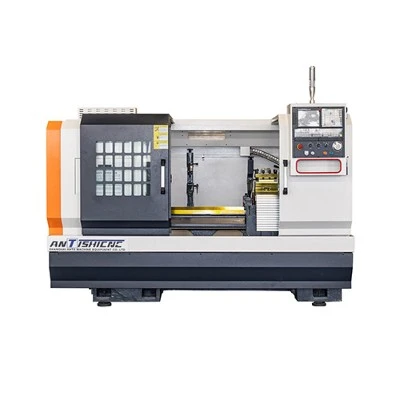
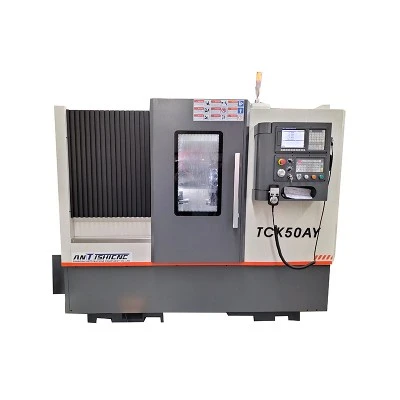
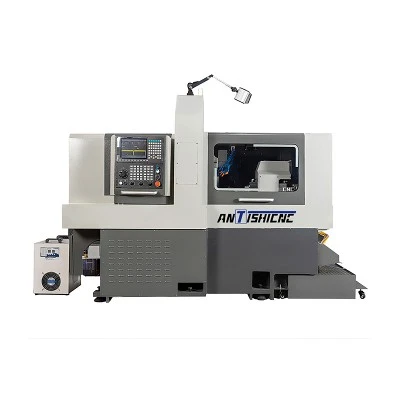
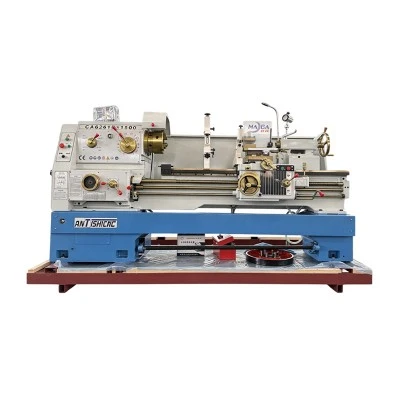
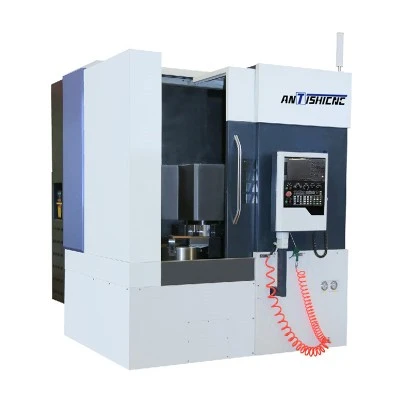
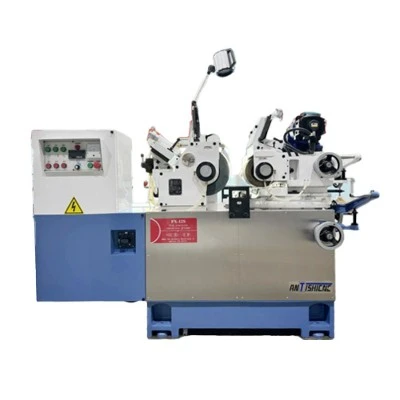
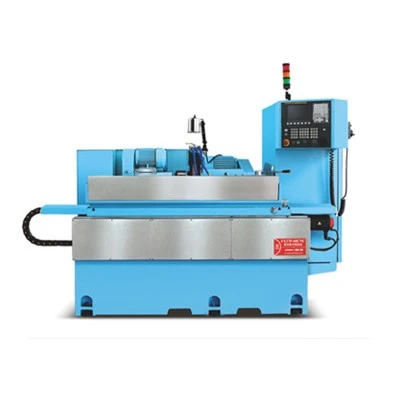
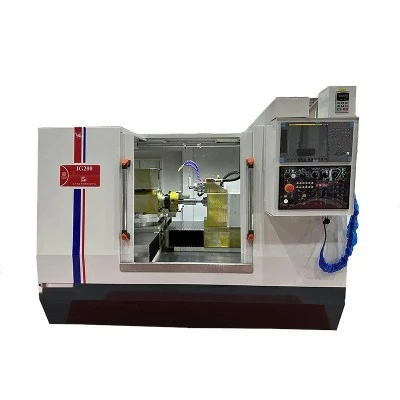
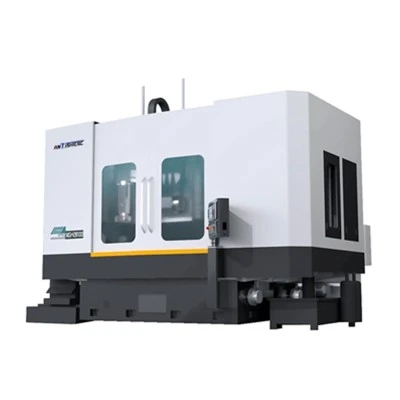
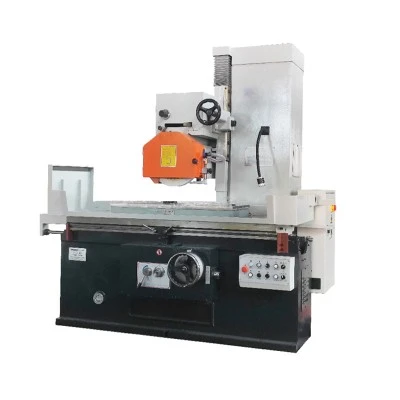
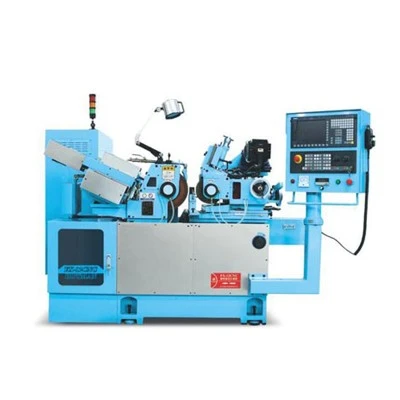
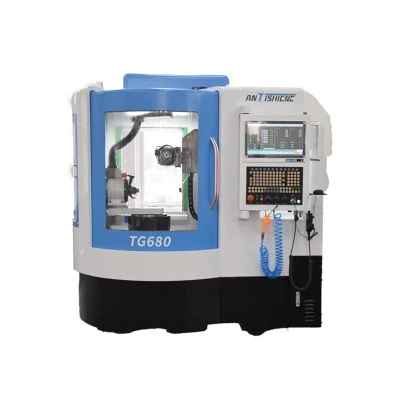

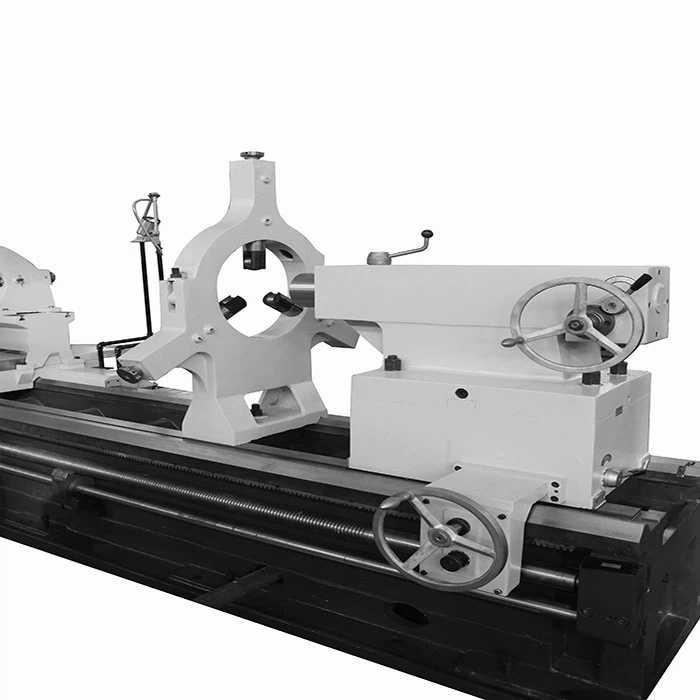
Hey there! As a supplier of Heavy Lathe Machines, I've seen firsthand how crucial safety is when operating these powerful tools. In this blog, I'll share some essential safety precautions you should take to keep yourself and others safe while using a heavy lathe machine.
Pre - operation Checks
Before you even think about turning on the heavy lathe machine, there are a bunch of checks you need to do. First off, give the machine a good visual inspection. Look for any signs of damage like cracks in the bed, loose parts, or frayed wires. A damaged machine can be extremely dangerous, so it's better to catch these issues early.
Next, check the lubrication. All moving parts of the Heavy Lathe Machine need to be properly lubricated. Insufficient lubrication can cause overheating, increased wear and tear, and even mechanical failures. Make sure the oil levels are correct and that there are no blockages in the lubrication channels.
Also, verify the alignment of the cutting tools. Misaligned tools can lead to poor quality cuts, and they can also put extra stress on the machine. Use the appropriate measuring tools to ensure that the tools are set up correctly according to the specifications of the job you're going to do.
Personal Protective Equipment (PPE)
Wearing the right PPE is non - negotiable when operating a heavy lathe machine. Start with safety glasses. They'll protect your eyes from flying chips, coolant, and other debris that can be kicked up during the machining process. Make sure the glasses fit well and have the appropriate level of impact resistance.

Gloves are another important piece of PPE, but you need to be careful. Some types of gloves can get caught in the moving parts of the machine, so use gloves that are specifically designed for machine operation. They should provide a good grip without posing a entanglement risk.
Ear protection is also necessary. Heavy lathe machines can be quite noisy, and prolonged exposure to high - decibel levels can cause hearing damage. You can choose between earplugs or earmuffs, depending on your preference and the level of noise in your workspace.
Lastly, wear appropriate clothing. Avoid loose - fitting clothes, ties, or jewelry that can get caught in the machine. Wear a snug - fitting work shirt and pants, and if possible, a safety apron to protect your body from coolant and chips.
Machine Operation
During the operation of the heavy lathe machine, there are several safety rules you need to follow. First, always keep your hands and fingers away from the cutting area. Use the appropriate tools like tongs or clamps to hold the workpiece. Never try to remove chips or adjust the workpiece while the machine is running.
Keep the work area clean and organized. Remove any clutter, chips, or debris from the machine and the surrounding area regularly. A messy workspace can increase the risk of tripping and falling, and it can also interfere with the operation of the machine.
Don't overload the machine. Make sure you're using the correct speed and feed rates for the material and the cutting tool you're using. Overloading the machine can cause it to malfunction, and it can also be a safety hazard.
If you need to make any adjustments to the machine, such as changing the cutting tool or adjusting the speed, always turn off the machine first and wait for it to come to a complete stop. This will prevent accidental starts and reduce the risk of injury.
Emergency Procedures
It's important to know what to do in case of an emergency. Familiarize yourself with the location of the emergency stop button on the heavy lathe machine. In case of any unexpected situation, like a tool breakage or a piece of the workpiece flying out, you can quickly hit the emergency stop button to shut down the machine.
Have a first - aid kit readily available in your workspace. In case of minor injuries, you can provide immediate first - aid treatment. Also, make sure you know the proper procedures for dealing with more serious injuries and that you have a way to contact emergency medical services if needed.
Maintenance and Training
Regular maintenance of the heavy lathe machine is essential for safety. Follow the manufacturer's recommended maintenance schedule. This includes tasks like cleaning, lubricating, and inspecting the machine on a regular basis. By keeping the machine in good condition, you can prevent many potential safety issues.
Proper training is also crucial. Make sure that anyone who operates the heavy lathe machine has received comprehensive training. They should know how to operate the machine safely, how to perform pre - operation checks, and what to do in case of an emergency. Training should be ongoing, as new safety procedures and techniques may be developed over time.
Comparison with Other Lathe Machines
When it comes to lathe machines, there are different types available, such as the Traditional Lathe and the 7 Feet Lathe Machine. While the basic safety principles apply to all lathe machines, heavy lathe machines have some unique characteristics that require special attention.
Heavy lathe machines are generally larger and more powerful than traditional lathes. They can handle heavier workpieces and perform more complex machining operations. This means that the potential risks are also greater. For example, the cutting forces are higher, and the workpieces are heavier, so there is a greater risk of the workpiece coming loose or the machine tipping over if not properly secured.
The 7 Feet Lathe Machine, on the other hand, has its own set of safety considerations. Its size and the length of the bed can affect the way you handle the workpiece and the cutting tools. You need to make sure that you have enough space to maneuver around the machine safely and that you can reach all the controls and adjustment points without overextending yourself.
Conclusion
Operating a heavy lathe machine can be a rewarding but potentially dangerous task. By following these safety precautions, you can significantly reduce the risk of accidents and injuries. Remember to always do your pre - operation checks, wear the right PPE, follow proper operating procedures, know the emergency procedures, and keep up with maintenance and training.
If you're in the market for a heavy lathe machine or need more information about safety or our products, don't hesitate to reach out for a procurement discussion. We're here to help you make the right choice and ensure that you can operate your machine safely and efficiently.
References
- General safety guidelines for industrial machinery.
- Manufacturer's manuals for heavy lathe machines.


