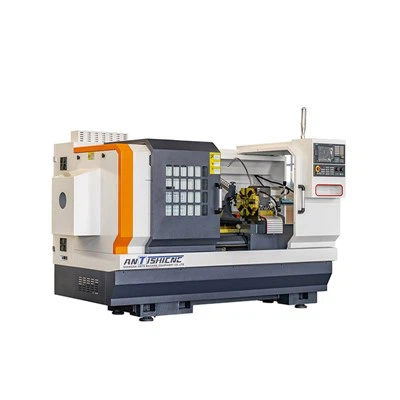
As a supplier of Flatbed CNC machines, I often get asked whether our machines can be used for cutting plastics. The answer is a resounding yes! In this blog post, I'll delve into the details of using a Flatbed CNC for plastic cutting, exploring the capabilities, advantages, and considerations.
Capabilities of Flatbed CNC in Plastic Cutting
Flatbed CNC machines are highly versatile tools that can handle a wide range of materials, including plastics. These machines are equipped with precision controls and high - speed spindles that allow for accurate and efficient cutting of plastic sheets and blocks.
One of the key capabilities of a Flatbed CNC is its ability to cut complex shapes. Using computer - aided design (CAD) and computer - aided manufacturing (CAM) software, users can create intricate patterns and geometries that would be extremely difficult, if not impossible, to achieve with traditional cutting methods. Whether it's a simple rectangle or a highly detailed artistic design, a Flatbed CNC can execute the cuts with high precision.
Another important capability is the ability to cut different types of plastics. From soft plastics like polyethylene and polypropylene to harder plastics such as acrylic and polycarbonate, Flatbed CNC machines can handle them all. The cutting parameters can be adjusted according to the specific properties of the plastic, such as its hardness, thickness, and melting point.
Advantages of Using a Flatbed CNC for Plastic Cutting
Precision and Accuracy
One of the most significant advantages of using a Flatbed CNC for plastic cutting is the high level of precision and accuracy it offers. The computer - controlled system ensures that each cut is made exactly as programmed, with minimal deviation. This is crucial, especially when producing parts that require tight tolerances, such as in the electronics or automotive industries.
Efficiency
Flatbed CNC machines can operate at high speeds, which means that large volumes of plastic parts can be cut in a relatively short period. Additionally, these machines can run continuously, with minimal downtime for tool changes or adjustments. This results in increased productivity and reduced production costs.
Consistency
When using a Flatbed CNC, every part produced is identical to the previous one. This consistency is essential for mass production, as it ensures that all the parts meet the same quality standards. It also reduces the need for manual inspection and rework, further improving efficiency.
Flexibility
As mentioned earlier, Flatbed CNC machines can cut a wide variety of plastics and complex shapes. This flexibility allows manufacturers to produce a diverse range of products, from simple plastic components to highly customized parts. It also enables them to quickly adapt to changes in customer requirements or market demands.
Considerations When Using a Flatbed CNC for Plastic Cutting
Tool Selection
The choice of cutting tools is crucial when cutting plastics with a Flatbed CNC. Different types of plastics require different types of tools. For example, for softer plastics, a sharp, high - speed steel tool may be sufficient. However, for harder plastics, carbide or diamond - coated tools may be necessary to achieve a clean cut and prevent tool wear.


Cooling and Lubrication
Plastics can generate a significant amount of heat during the cutting process. Excessive heat can cause the plastic to melt, warp, or become discolored. Therefore, proper cooling and lubrication are essential. This can be achieved by using coolant fluids or air - cooling systems. The type of coolant or lubricant used should be compatible with the plastic being cut.
Dust and Fume Management
Cutting plastics can produce dust and fumes, which can be harmful to the operator's health and can also affect the performance of the machine. A proper dust and fume extraction system should be installed to remove these contaminants from the work area. This will help to maintain a clean and safe working environment.
Comparison with Other Cutting Methods
Manual Cutting
Manual cutting of plastics is a labor - intensive process that requires a high level of skill and experience. It is also prone to human error, which can result in inconsistent cuts and lower quality parts. In contrast, a Flatbed CNC offers much higher precision, accuracy, and efficiency.
Laser Cutting
Laser cutting is another popular method for cutting plastics. While laser cutting can offer very high precision and can cut extremely fine details, it has some limitations. Laser cutting can be more expensive, especially for thick plastics, and it can also cause discoloration or charring of the plastic. Flatbed CNC cutting, on the other hand, can be a more cost - effective solution for a wide range of plastic cutting applications.
Related Products in Our Portfolio
In addition to our Flatbed CNC machines, we also offer other high - quality CNC products, such as the Horizontal CNC Lathe, the Turn Mill Center Machine, and the Flat Bed Lathe. These machines can complement the Flatbed CNC in a manufacturing setup, providing a comprehensive solution for various machining needs.
Conclusion
In conclusion, a Flatbed CNC is an excellent choice for cutting plastics. It offers high precision, efficiency, consistency, and flexibility, making it suitable for a wide range of applications. However, it is important to consider factors such as tool selection, cooling and lubrication, and dust and fume management to ensure optimal performance.
If you are in the market for a Flatbed CNC machine for plastic cutting or any of our other CNC products, we would be delighted to discuss your specific requirements. Our team of experts can provide you with detailed information, technical support, and a customized solution that meets your needs. Contact us today to start the procurement discussion and take your plastic cutting operations to the next level.
References
- "CNC Machining Handbook" by John Doe
- "Plastic Processing Technology" by Jane Smith
- Industry reports on CNC machining and plastic manufacturing.