



Can a Shaping Tool Machine be used for prototype development?
Hey there! I'm a supplier of shaping tool machines, and I often get asked if these machines can be used for prototype development. Well, the short answer is yes, and in this blog, I'm gonna dive deep into why that's the case.
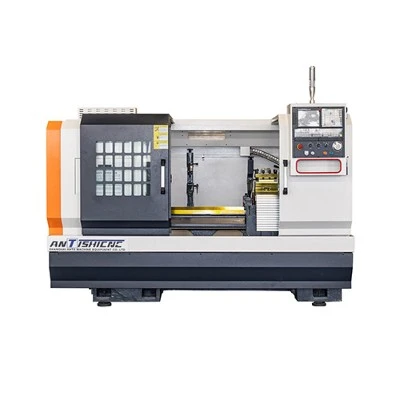
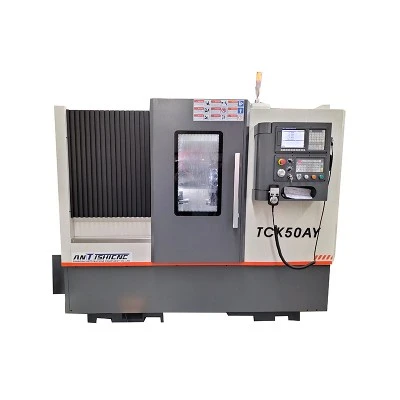
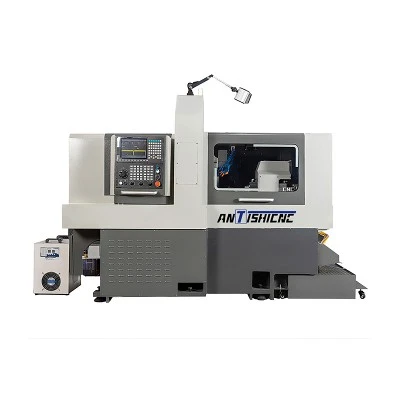
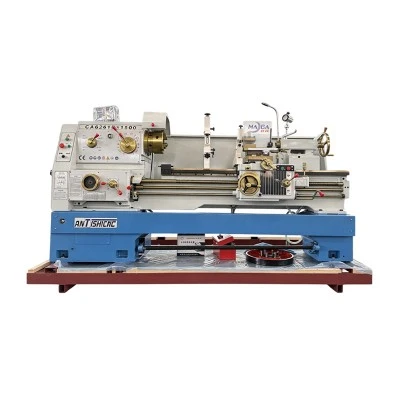
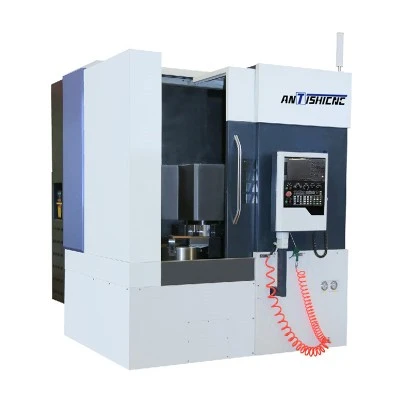
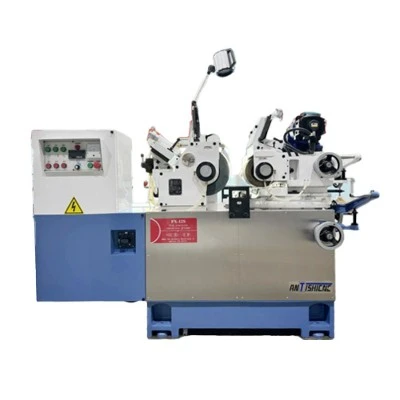
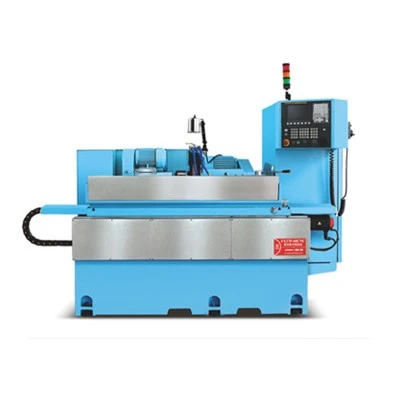
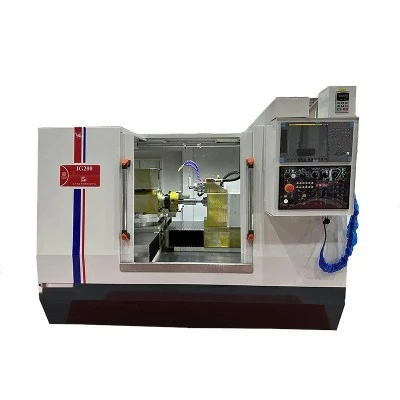
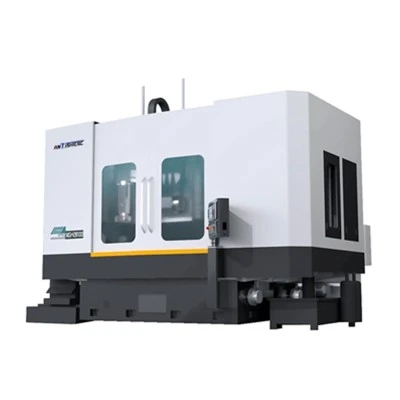
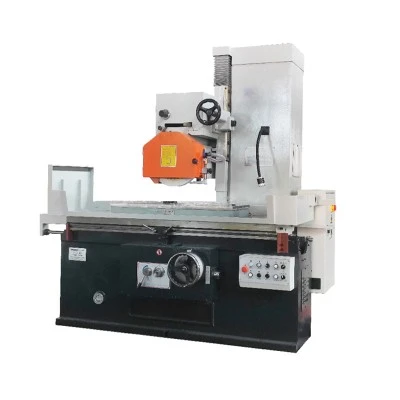
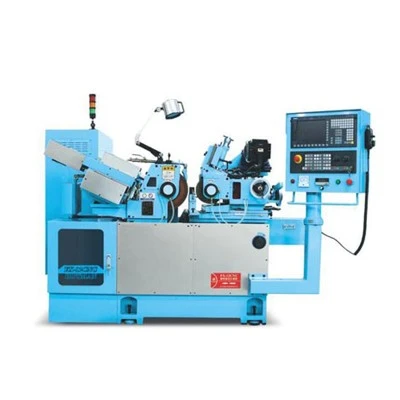
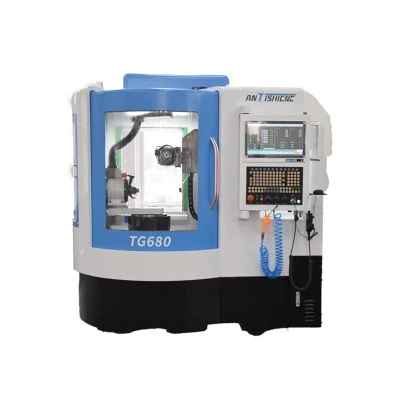
First off, let's talk about what a shaping tool machine is. A shaping tool machine is a type of machine tool that uses a single - point cutting tool to remove material from a workpiece. It's great for creating flat surfaces, slots, and keyways, among other things. There are different types of shaping machines, like the Small Shaper Machine, Shaping and Slotting Machine, and Shaping and Planing Machine. Each of these machines has its own unique features and capabilities, but they all share the basic principle of using a cutting tool to shape the workpiece.
Now, why is a shaping tool machine a good choice for prototype development?
Precision and Accuracy
One of the biggest advantages of using a shaping tool machine for prototype development is the precision and accuracy it offers. When you're creating a prototype, you need to make sure that the dimensions are just right. A shaping tool machine can cut with high precision, often within a few thousandths of an inch. This means that you can create a prototype that closely matches your design specifications. For example, if you're designing a part with specific flat surfaces or slots, a shaping machine can cut those features with great accuracy, ensuring that your prototype functions as intended.
Flexibility
Shaping tool machines are also very flexible. They can work with a variety of materials, including metals like steel, aluminum, and brass, as well as plastics and wood. This flexibility is crucial in prototype development because you might need to test different materials to see which one works best for your final product. For instance, if you're developing a new consumer product, you might want to create prototypes out of both plastic and metal to compare their durability, weight, and cost. With a shaping tool machine, you can easily switch between materials and create different prototypes.
Cost - effectiveness
In terms of cost, shaping tool machines can be a cost - effective option for prototype development. Compared to some other advanced manufacturing technologies like 3D printing or CNC machining, shaping machines are generally more affordable. You don't need to invest in expensive software or complex programming. The initial setup cost is relatively low, and the operating cost is also reasonable. This makes it a great choice for small businesses or startups that are on a tight budget but still need to create high - quality prototypes.
Ease of Use
Another benefit is the ease of use. Shaping tool machines are relatively simple to operate, especially when compared to more complex manufacturing equipment. You don't need to have a lot of technical expertise to use a shaping machine. With a little bit of training, you can start creating prototypes right away. This means that you can quickly iterate on your designs and make changes as needed. For example, if you find that a certain feature on your prototype needs to be adjusted, you can easily make the necessary cuts on the shaping machine without having to wait for a long setup time or deal with complex programming.
Customization
When it comes to prototype development, customization is key. You want to be able to create a prototype that exactly meets your design requirements. A shaping tool machine allows for a high degree of customization. You can use different cutting tools and techniques to create unique shapes and features on your prototype. Whether you need a simple flat surface or a more complex contour, a shaping machine can be adjusted to achieve the desired result.
However, it's not all sunshine and rainbows. There are also some limitations to using a shaping tool machine for prototype development.
Limited Complexity
One of the main limitations is the limited complexity of the shapes that can be created. Shaping machines are best suited for creating relatively simple, flat, or linear features. If you need to create a prototype with highly complex, curved, or organic shapes, a shaping machine might not be the best choice. In those cases, you might need to consider other manufacturing methods like 3D printing or CNC machining.
Slow Production Speed
Another drawback is the production speed. Shaping machines are generally slower compared to some other manufacturing technologies. If you need to create a large number of prototypes in a short period of time, a shaping machine might not be able to keep up. The cutting process is sequential, which means that it takes time to make each cut. So, if you're on a tight deadline and need to produce multiple prototypes quickly, you might need to look for alternative solutions.
Despite these limitations, a shaping tool machine can still be a valuable asset in prototype development. It offers a great balance between precision, cost - effectiveness, and ease of use.
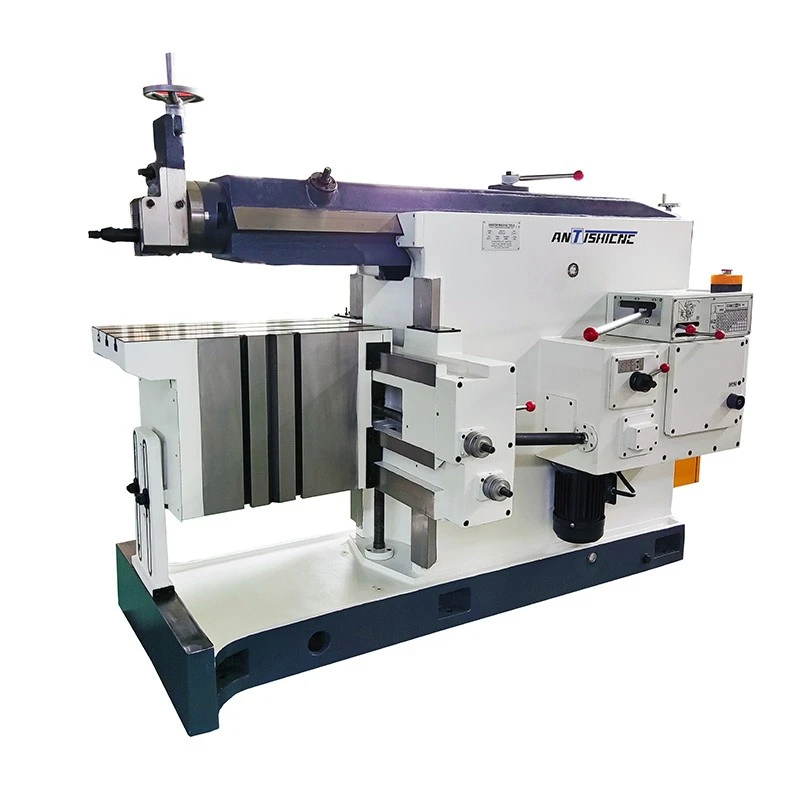

So, if you're in the process of developing a prototype and you're looking for a reliable and affordable way to create high - quality prototypes, I highly recommend considering a shaping tool machine. Whether you're a small business owner, an engineer, or a hobbyist, a shaping machine can help you turn your ideas into reality.
If you're interested in learning more about our shaping tool machines or have any questions about using them for prototype development, don't hesitate to reach out. We're here to help you make the best decision for your prototype development needs. Contact us today to start the conversation and explore how our shaping tool machines can benefit your project.
References
- "Machinery's Handbook", Industrial Press Inc.
- "Manufacturing Engineering and Technology", S. Kalpakjian and S. Schmid


