


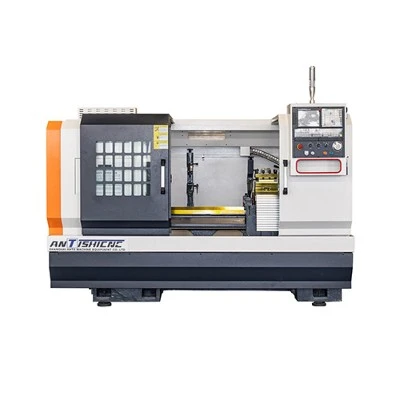
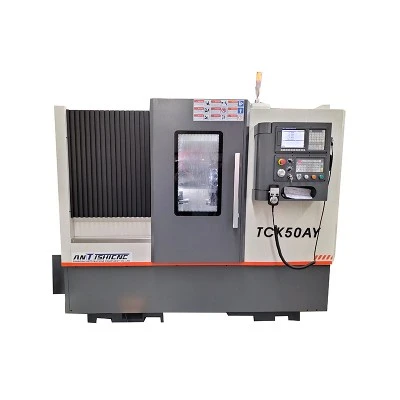
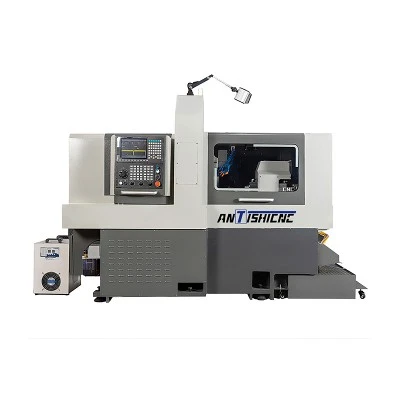
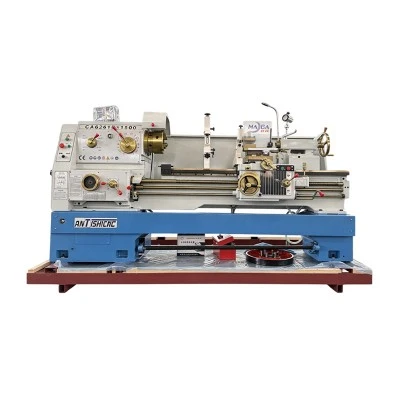

Determining the optimal cutting speed for different materials on a horizontal CNC lathe is a crucial aspect of achieving efficient and high - quality machining operations. As a supplier of Horizontal CNC Lathes, I understand the significance of this parameter and its impact on the overall performance of the machining process. In this blog, I will share some insights on how to determine the optimal cutting speed for various materials.
Understanding Cutting Speed
Cutting speed, often denoted as (V), is the speed at which the cutting edge of the tool passes over the surface of the workpiece. It is typically measured in meters per minute (m/min) or feet per minute (ft/min). The cutting speed is a fundamental factor that affects tool life, surface finish, and material removal rate. A too - low cutting speed can result in poor productivity, while an excessively high cutting speed can lead to rapid tool wear and a decrease in surface quality.
Factors Affecting Cutting Speed
Material Properties
The material of the workpiece is one of the most significant factors influencing the cutting speed. Different materials have different hardness, toughness, and thermal conductivity. For example, materials like aluminum are relatively soft and have good thermal conductivity, allowing for higher cutting speeds. On the other hand, materials such as stainless steel and titanium are harder and more difficult to machine, requiring lower cutting speeds.
Tool Material
The type of cutting tool used also plays a vital role in determining the cutting speed. High - speed steel (HSS) tools are suitable for lower cutting speeds and are often used for general - purpose machining. Carbide tools, on the other hand, can withstand higher temperatures and are capable of operating at much higher cutting speeds. Ceramic and cubic boron nitride (CBN) tools are even more heat - resistant and can be used for high - speed machining of hard materials.
Machine Capabilities
The power, rigidity, and spindle speed range of the horizontal CNC lathe are important considerations. A machine with a high - power spindle and good rigidity can handle higher cutting speeds. The maximum spindle speed of the lathe sets an upper limit on the achievable cutting speed.
Calculating Cutting Speed
The cutting speed can be calculated using the following formula:
[V=\pi DN/1000]
where (V) is the cutting speed in m/min, (D) is the diameter of the workpiece in mm, and (N) is the spindle speed in revolutions per minute (rpm).


To determine the optimal cutting speed for a specific material, we can start with some general guidelines based on the material type:
Aluminum
Aluminum is a commonly machined material due to its light weight and good machinability. For aluminum alloys, the cutting speed can range from 300 to 1000 m/min when using carbide tools. For example, when machining a 50 - mm diameter aluminum workpiece, if we choose a cutting speed of (V = 600) m/min, we can calculate the spindle speed (N) as follows:
[N=\frac{1000V}{\pi D}=\frac{1000\times600}{\pi\times50}\approx3820] rpm
Steel
The cutting speed for steel depends on its carbon content and hardness. For mild steel, the cutting speed can be around 100 - 300 m/min with carbide tools. For high - strength steel, the cutting speed may be reduced to 50 - 150 m/min. If we are machining a 30 - mm diameter mild steel workpiece with a cutting speed of (V = 200) m/min, the spindle speed (N) is:
[N=\frac{1000V}{\pi D}=\frac{1000\times200}{\pi\times30}\approx2122] rpm
Stainless Steel
Stainless steel is more difficult to machine than mild steel due to its high work - hardening rate. The cutting speed for stainless steel with carbide tools is typically in the range of 50 - 200 m/min. For a 40 - mm diameter stainless steel workpiece and a cutting speed of (V = 100) m/min, the spindle speed (N) is:
[N=\frac{1000V}{\pi D}=\frac{1000\times100}{\pi\times40}\approx796] rpm
Titanium
Titanium is a very hard and heat - resistant material. The cutting speed for titanium alloys with carbide tools is relatively low, usually in the range of 20 - 60 m/min. For a 20 - mm diameter titanium workpiece and a cutting speed of (V = 30) m/min, the spindle speed (N) is:
[N=\frac{1000V}{\pi D}=\frac{1000\times30}{\pi\times20}\approx477] rpm
Fine - Tuning the Cutting Speed
Once we have an initial estimate of the cutting speed based on the material and tool, we need to fine - tune it through trial and error. During the trial runs, we should monitor the following factors:
Tool Wear
Excessive tool wear indicates that the cutting speed may be too high. We can visually inspect the tool or measure the tool wear using a microscope. If the tool wear is rapid, we should reduce the cutting speed.
Surface Finish
A poor surface finish can be a sign of an incorrect cutting speed. If the surface of the workpiece has roughness or chatter marks, we may need to adjust the cutting speed. In some cases, a lower cutting speed can improve the surface finish.
Chip Formation
The shape and color of the chips can also provide valuable information about the cutting process. For example, long, stringy chips may indicate that the cutting speed is too low, while short, chunky chips are generally a sign of efficient machining.
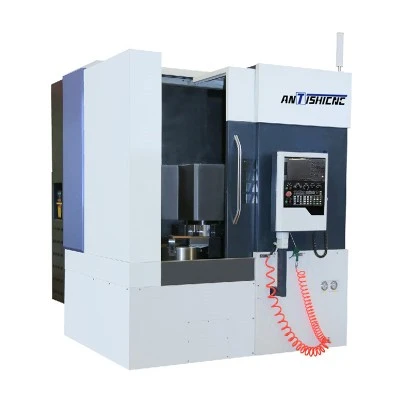
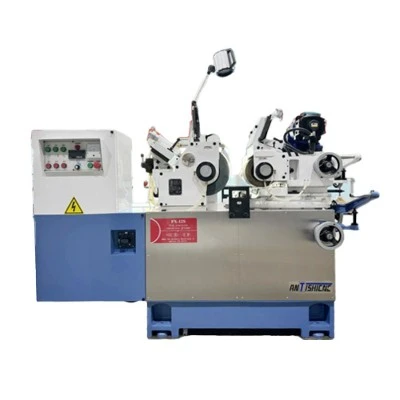
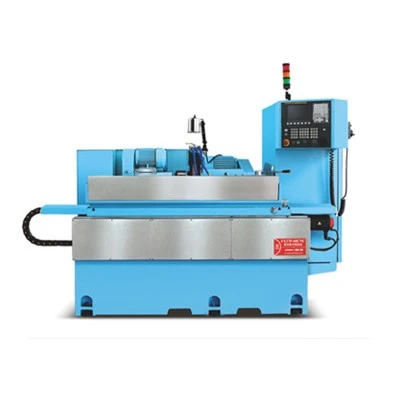
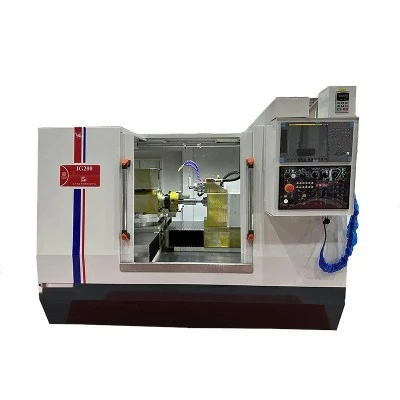
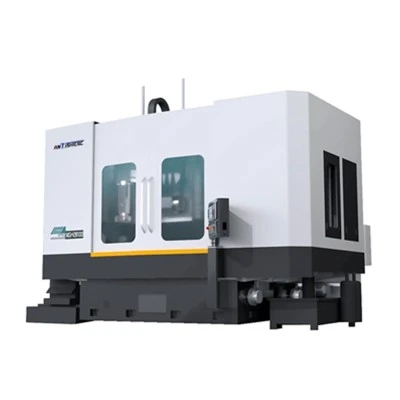
As a supplier of Horizontal CNC Lathes, we offer a wide range of machines, including Flatbed CNC and Horizontal CNC Turning solutions. Our Flat Bed CNC Lathe Machine is designed to meet the diverse needs of different machining applications.
If you are looking for high - quality horizontal CNC lathes and need assistance in determining the optimal cutting speed for your specific materials, we are here to help. Our team of experts can provide you with professional advice and support to ensure that you achieve the best machining results. Whether you are a small - scale workshop or a large - scale manufacturing plant, we have the right solutions for you. Contact us to start a procurement discussion and take your machining operations to the next level.
References
- Kalpakjian, S., & Schmid, S. R. (2009). Manufacturing Engineering and Technology. Pearson Prentice Hall.
- Boothroyd, G., Dewhurst, P., & Knight, W. A. (2011). Product Design for Manufacturing and Assembly. CRC Press.
- ASM Handbook Committee. (2000). ASM Handbook, Volume 16: Machining. ASM International.


