


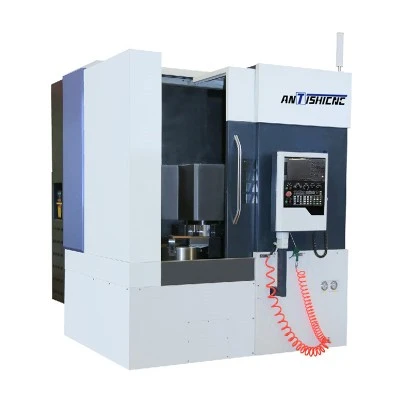
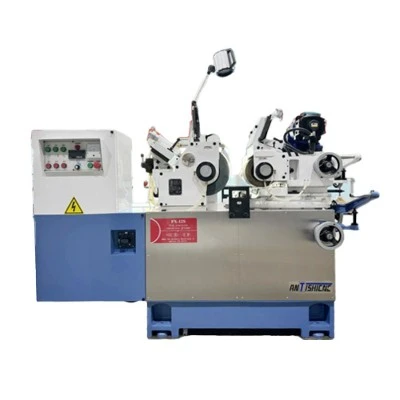
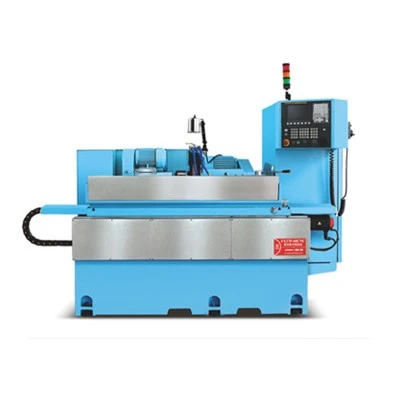
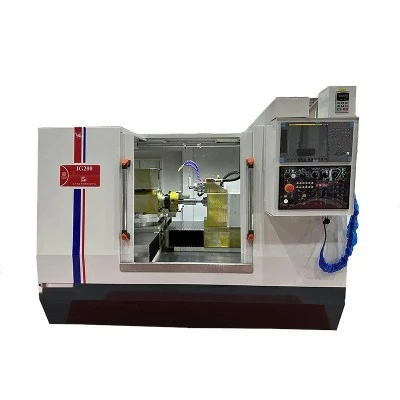
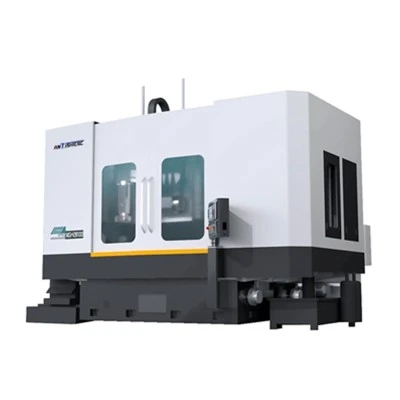
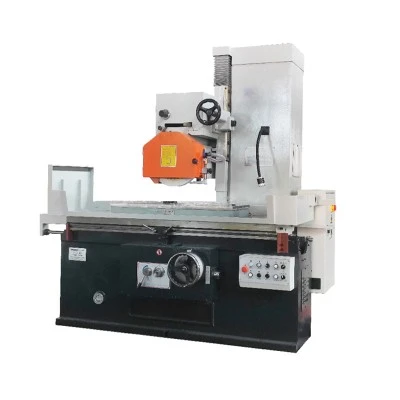
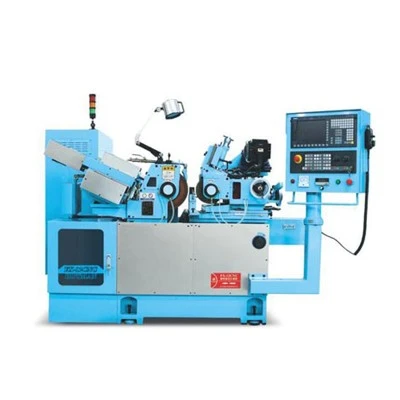
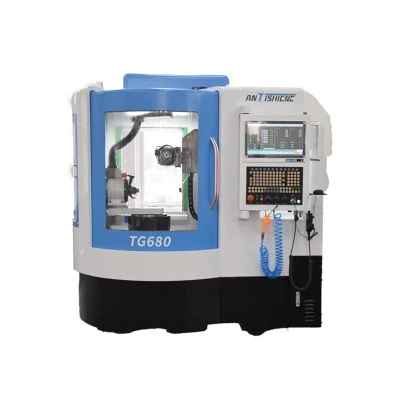

Hey there! I'm a supplier of Flat Bed Lathes, and today I'm gonna share with you how to move the carriage of a flat bed lathe. It might seem a bit technical at first, but once you get the hang of it, it's not that hard.
Understanding the Carriage of a Flat Bed Lathe
Before we dive into how to move it, let's quickly understand what the carriage is. The carriage on a flat bed lathe is a crucial part. It holds the cutting tool and moves along the bed of the lathe to perform different operations on the workpiece. It's like the workhorse that gets the job done when it comes to shaping the material.
Preparation Before Moving the Carriage
First things first, safety is key. Make sure the lathe is properly set up and the power is off before you start any work on moving the carriage. Check the bed of the lathe for any debris or dirt. A clean bed ensures smooth movement of the carriage.
Also, take a look at the cutting tool. It should be securely fastened in the tool post. If it's loose, it can cause problems during the operation and might even be dangerous.
Manual Movement of the Carriage
There are two main ways to move the carriage: manually and automatically. Let's start with the manual way.
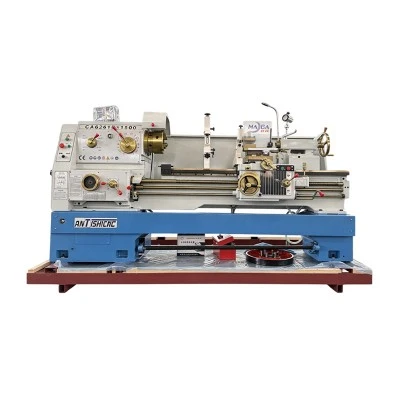
On most flat bed lathes, there are handwheels that you can use to move the carriage. The longitudinal handwheel is used to move the carriage along the length of the lathe bed. You just grab the handwheel and turn it. Turning it clockwise will move the carriage towards the headstock, and turning it counter - clockwise will move it away from the headstock.
The cross - feed handwheel is used to move the carriage perpendicular to the lathe bed. This is useful when you want to make cuts across the diameter of the workpiece. Similar to the longitudinal handwheel, turning it in different directions will move the carriage either towards or away from the operator.
When you're using the handwheels, you need to be careful and precise. The movement is usually in small increments, so you can make fine adjustments. For example, if you're doing a finishing cut, you'll want to move the carriage very slowly and carefully to get a smooth surface on the workpiece.


Automatic Movement of the Carriage
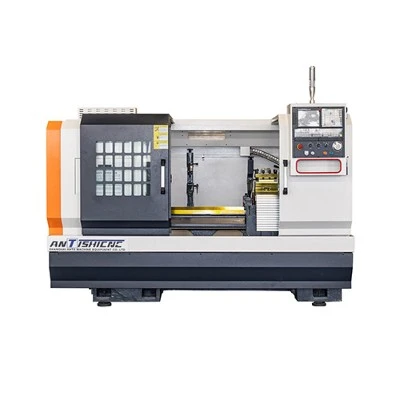
Now, let's talk about automatic movement. Many modern flat bed lathes, like the Flat Bed CNC Lathe Machine, are equipped with computer numerical control (CNC) systems. These systems allow for precise and automated movement of the carriage.
To use the automatic movement, you first need to program the lathe. You'll input the coordinates and the path that you want the carriage to follow. The CNC system will then control the motors that drive the carriage and move it accordingly.
This is great for repetitive tasks and for achieving high levels of accuracy. For example, if you're making multiple identical parts, you can program the lathe once and let it do the work over and over again.
Troubleshooting Carriage Movement Issues
Sometimes, you might encounter problems with the carriage movement. One common issue is a sticky or jerky movement. This could be due to a lack of lubrication. Make sure to regularly lubricate the ways on the lathe bed where the carriage moves.
Another problem could be a misaligned carriage. If the carriage is not moving straight, it can cause uneven cuts on the workpiece. You might need to adjust the gibs, which are the adjustable strips that control the fit between the carriage and the lathe bed.
If you're using a CNC lathe and the carriage is not moving as programmed, check the program for errors. It could be a simple typo in the coordinates that's causing the problem.
Comparing with Other Types of Lathes
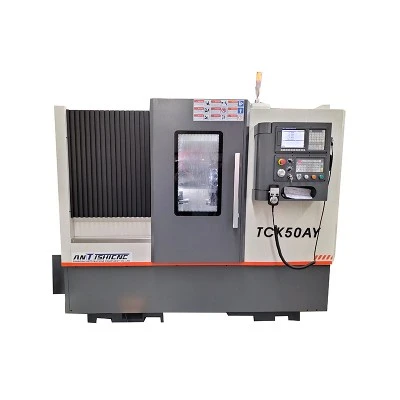
It's also interesting to compare the flat bed lathe carriage movement with other types of lathes. For example, the Slant Bed CNC Lathe Machine has a slanted bed. The carriage on a slant bed lathe moves differently because of the angle of the bed. This design can sometimes offer better chip evacuation and a more ergonomic working position.
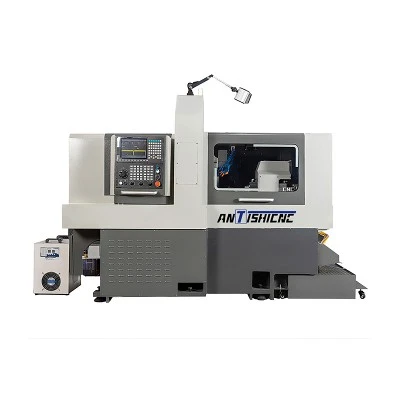
The Turn Mill Center Machine is another type. It combines turning and milling operations. The carriage movement on a turn - mill center is more complex as it needs to accommodate both types of operations.
Conclusion and Call to Action
Moving the carriage of a flat bed lathe is an important skill for anyone working with these machines. Whether you're a hobbyist or a professional in the manufacturing industry, understanding how to move the carriage properly can make your work more efficient and accurate.
If you're in the market for a flat bed lathe or have any questions about carriage movement or other aspects of these machines, don't hesitate to reach out. We're here to help you make the right choice and get the most out of your lathe.
References
- "Modern Machining Technology" - A comprehensive guide on machining operations and lathe usage.
- "CNC Programming Handbook" - Useful for understanding the programming aspects of CNC lathes.


