


Installing a flat bed lathe is a significant task that requires careful planning, precision, and a good understanding of the machine. As a supplier of flat bed lathes, I've witnessed firsthand the importance of a proper installation process. In this blog post, I'll guide you through the steps of installing a flat bed lathe, sharing insights and tips based on my experience in the industry.
Pre - installation Preparations
Before you even unpack the flat bed lathe, there are several crucial preparations to make.
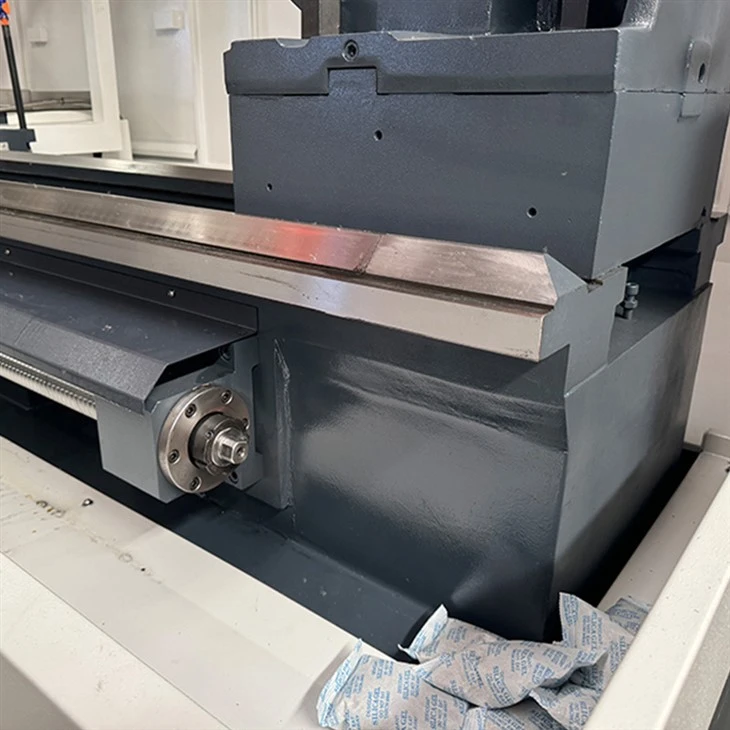
Site Selection
First and foremost, choose an appropriate location for your lathe. The site should be a well - ventilated area, free from excessive dust, moisture, and vibrations. A stable floor is essential to ensure the lathe's proper functioning. The floor should be able to support the weight of the lathe and any additional accessories. Measure the dimensions of the lathe and ensure that there is enough space around it for easy access, operation, and maintenance. You should also consider the proximity to power sources and other necessary utilities.
Power Requirements
Understand the power requirements of the flat bed lathe. Most modern lathes run on electrical power, and it's crucial to have the correct voltage and amperage available at the installation site. Check the machine's manual for specific power specifications. In some cases, you may need to install a dedicated electrical circuit to ensure a stable power supply. This helps prevent power surges or fluctuations that could damage the lathe's components.
Tools and Equipment
Gather all the necessary tools and equipment for the installation. This may include wrenches, screwdrivers, levels, hoisting equipment (if necessary), and measuring tools. Having these tools ready before you start the installation will save you time and ensure that the process goes smoothly.
Unpacking and Inspection
Once you've completed the pre - installation preparations, it's time to unpack the flat bed lathe.
Unpacking
Carefully unpack the lathe, following the manufacturer's instructions. Be gentle with the components to avoid any damage. Check for any visible signs of damage during the unpacking process. If you notice any issues, document them and contact the supplier immediately.
Inspection
Inspect all the parts of the lathe thoroughly. Check for any loose or missing components. Ensure that all the cutting tools, chucks, and other accessories are included and in good condition. This is also a good time to familiarize yourself with the different parts of the lathe and their functions.
Installation Steps
Positioning the Lathe
Use a hoisting device, such as a crane or a forklift, to move the lathe to its designated location. Make sure the lathe is placed on a level surface. Use a spirit level to check the horizontal and vertical alignment of the lathe. Adjust the leveling feet of the lathe to ensure that it is perfectly level. This is crucial for the accuracy of the machining operations.
Connecting the Power
Once the lathe is in position, connect it to the power supply according to the electrical specifications. Make sure all the electrical connections are secure. It's advisable to have a qualified electrician perform the electrical connections to ensure safety.
Installing the Accessories
Install any additional accessories, such as the tool post, chuck, and tailstock. Follow the manufacturer's instructions carefully when installing these accessories. Ensure that they are properly aligned and tightened.
Lubrication
Before starting the lathe for the first time, lubricate all the moving parts according to the manufacturer's recommendations. This helps reduce friction and wear, and extends the lifespan of the lathe.
Testing
After the installation is complete, perform a series of tests to ensure that the lathe is functioning properly. Start the lathe and run it at a low speed to check for any abnormal noises or vibrations. Check the movement of the carriage, cross - slide, and other components. Test the cutting tools to ensure that they are working correctly.
Maintenance and Safety Considerations
Proper maintenance is essential for the long - term performance of the flat bed lathe. Regularly clean the lathe, lubricate the moving parts, and check for any signs of wear or damage. Keep the work area clean and organized to prevent accidents.
When operating the lathe, always follow the safety guidelines. Wear appropriate safety gear, such as safety glasses, gloves, and ear protection. Never leave the lathe unattended while it is running.
Related Products
If you're interested in exploring more advanced lathe options, we also offer Horizontal CNC Lathe and Flat Bed CNC Lathe Machine. These machines offer enhanced precision and automation, making them suitable for a wide range of machining applications. Additionally, our Horizontal Slant Bed Lathe provides unique advantages in terms of chip evacuation and cutting performance.
Conclusion
Installing a flat bed lathe is a complex but rewarding process. By following the steps outlined in this blog post, you can ensure a successful installation and get the most out of your lathe. If you have any questions or need further assistance with the installation or selection of a flat bed lathe, don't hesitate to contact us. We're here to help you make the right choice for your machining needs. Whether you're a small - scale workshop or a large - scale manufacturing facility, our team of experts can provide you with the guidance and support you need.
References
- Manufacturer's manuals for flat bed lathes
- Industry standards and best practices for lathe installation


