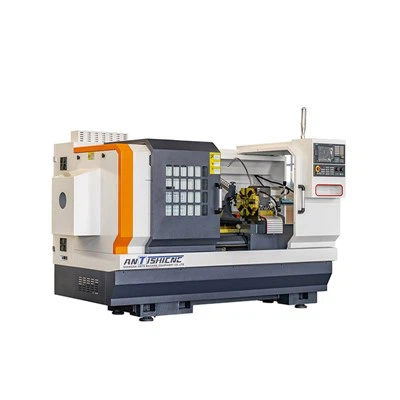
As a supplier of CNC shaping machines, I've witnessed firsthand the challenges that customers face when dealing with cutter breakage. Cutter breakage is not only a costly issue but also disrupts production schedules, leading to significant downtime. In this blog, I'll delve into the various factors that cause cutter breakage in a CNC shaping machine and provide insights on how to mitigate these issues.
1. Material - Related Causes
Hardness and Inhomogeneity of the Workpiece
The hardness of the workpiece is a critical factor. If the workpiece is too hard for the cutter, the cutter will experience excessive wear and is more likely to break. For example, when machining high - strength alloy steels, the cutter has to withstand greater cutting forces. Inhomogeneous materials can also pose a problem. Internal voids, inclusions, or inconsistent hardness within the workpiece can cause sudden changes in cutting forces. When the cutter encounters a hard inclusion, it may experience a shock load that can lead to breakage.
Workpiece Fixturing
Improper fixturing of the workpiece can cause cutter breakage. If the workpiece is not securely clamped, it may move during the cutting process. This movement can result in sudden changes in the cutting depth and direction, putting additional stress on the cutter. For instance, if a workpiece shifts even slightly, the cutter may be forced to cut at an angle or with an unexpected depth, leading to excessive force on the cutter edge.
2. Cutter - Related Causes
Cutter Material and Geometry
The material of the cutter plays a crucial role in its performance. High - speed steel (HSS) cutters are suitable for general machining, but for more demanding applications, carbide cutters are often preferred due to their higher hardness and wear resistance. However, carbide cutters are more brittle and can break more easily if not used correctly.
The geometry of the cutter, such as the rake angle, clearance angle, and cutting edge radius, also affects its performance. An incorrect rake angle can increase the cutting force, while a too - small clearance angle can cause the cutter to rub against the workpiece, generating heat and increasing the risk of breakage.
Cutter Wear
As the cutter wears, its cutting edge becomes dull. A dull cutter requires more force to cut through the workpiece, which can lead to increased stress on the cutter. If the cutter is not replaced in a timely manner, the increased stress can cause the cutter to break. Regular inspection of the cutter's wear is essential to prevent this issue.
3. Cutting Parameters
Cutting Speed
The cutting speed is a key parameter in CNC shaping. If the cutting speed is too high, the cutter will generate excessive heat, which can cause the cutter material to soften and wear more quickly. On the other hand, if the cutting speed is too low, the cutter may not cut efficiently, leading to increased cutting forces and potential breakage. For different materials and cutter types, there is an optimal cutting speed range that should be followed.
Feed Rate
The feed rate determines how fast the cutter moves through the workpiece. A too - high feed rate can cause the cutter to take on more material than it can handle, resulting in excessive cutting forces and potential breakage. Conversely, a too - low feed rate can be inefficient and may cause the cutter to rub against the workpiece, leading to premature wear.
Depth of Cut
The depth of cut is the amount of material removed in each pass. A too - large depth of cut can put excessive stress on the cutter, especially if the cutter is not designed to handle such a large amount of material removal. It is important to select an appropriate depth of cut based on the cutter's capabilities and the workpiece material.
4. Machine - Related Causes
Machine Vibration
Machine vibration can have a significant impact on cutter breakage. Vibration can be caused by various factors, such as unbalanced components, loose parts, or improper machine alignment. When the machine vibrates, the cutter experiences additional forces that can cause it to break. Regular maintenance and inspection of the machine to ensure proper alignment and balance can help reduce vibration.
Spindle Runout
Spindle runout refers to the deviation of the spindle's rotation from its ideal axis. A high spindle runout can cause the cutter to cut unevenly, leading to increased stress on the cutter edge. This can result in premature wear and breakage. It is important to regularly check and correct the spindle runout to ensure smooth cutting.
5. Environmental Factors
Coolant and Lubrication
Coolant and lubrication play a vital role in reducing cutter wear and preventing breakage. Coolant helps to dissipate heat generated during the cutting process, while lubrication reduces friction between the cutter and the workpiece. Insufficient coolant or lubrication can cause the cutter to overheat and wear more quickly, increasing the risk of breakage.
Chip Management
Proper chip management is essential to prevent cutter breakage. If chips are not removed efficiently from the cutting area, they can accumulate and interfere with the cutting process. This can cause the cutter to jam or experience additional forces, leading to breakage. Using appropriate chip - removal methods, such as chip conveyors or high - pressure coolant, can help keep the cutting area clean.
Mitigating Cutter Breakage
To mitigate cutter breakage, it is important to take a comprehensive approach. This includes selecting the right cutter for the workpiece material, optimizing cutting parameters, ensuring proper machine maintenance, and providing adequate coolant and lubrication. Regular inspection of the cutter and the machine can help identify potential issues before they lead to breakage.
As a CNC shaping machine supplier, we offer a wide range of Cnc Gear Shaper Machine and CNC Gear Shaper that are designed to minimize cutter breakage. Our machines are equipped with advanced features to ensure stable cutting and reduce the risk of cutter damage.


If you are facing issues with cutter breakage in your CNC shaping machine or are looking to purchase a new machine, we are here to help. Our team of experts can provide you with professional advice and solutions tailored to your specific needs. Contact us to start a discussion about your requirements and let us help you optimize your CNC shaping process.
References
- Smith, J. (2018). Handbook of CNC Machining. Engineering Press.
- Johnson, A. (2020). Cutting Tool Technology. Manufacturing Publications.
- Brown, C. (2019). Machine Tool Maintenance and Troubleshooting. Industrial Books.