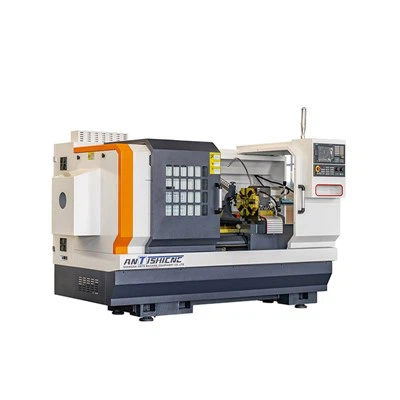
As a seasoned supplier of Shaping Tool Machines, I've had numerous inquiries about the cutting speed of these remarkable pieces of equipment. Understanding the cutting speed of a Shaping Tool Machine is crucial for both manufacturers and operators, as it directly impacts the efficiency, quality, and cost - effectiveness of the machining process.
What is Cutting Speed?
Cutting speed, in the context of a Shaping Tool Machine, refers to the relative speed between the cutting tool and the workpiece. It is typically measured in meters per minute (m/min) or feet per minute (ft/min). This speed determines how fast the tool can remove material from the workpiece. A higher cutting speed generally means faster material removal, but it also has implications for tool wear, surface finish, and the overall integrity of the workpiece.
Factors Affecting Cutting Speed
Several factors influence the optimal cutting speed for a Shaping Tool Machine.
Material of the Workpiece: Different materials have different properties that affect how they respond to cutting. For example, soft materials like aluminum can tolerate higher cutting speeds compared to harder materials such as stainless steel or titanium. Aluminum has a lower hardness and better thermal conductivity, allowing the heat generated during cutting to dissipate more easily. In contrast, stainless steel has a higher strength and hardness, which requires lower cutting speeds to prevent excessive tool wear and damage to the workpiece.
Material of the Cutting Tool: The type of cutting tool material also plays a significant role. High - speed steel (HSS) tools are commonly used for general - purpose machining. They are relatively inexpensive but have a lower heat resistance compared to carbide tools. Carbide tools, on the other hand, can withstand much higher cutting speeds due to their superior hardness and heat resistance. Ceramic and diamond - coated tools are even more advanced and can be used for extremely high - speed cutting applications, especially when machining hard and abrasive materials.


Tool Geometry: The shape and design of the cutting tool, including the rake angle, clearance angle, and cutting edge radius, affect the cutting speed. A positive rake angle reduces the cutting force and can allow for higher cutting speeds, but it may also reduce the tool's strength. A negative rake angle, on the other hand, increases the tool's strength but requires more cutting force. The clearance angle prevents the tool from rubbing against the workpiece, which can generate heat and increase tool wear.
Depth of Cut and Feed Rate: The depth of cut, which is the thickness of the material removed in each pass, and the feed rate, which is the distance the tool advances per revolution or stroke, are also important factors. A larger depth of cut and higher feed rate generally require lower cutting speeds to maintain the quality of the cut and prevent tool breakage. For example, if you are taking a deep cut, the tool has to remove more material, which generates more heat and increases the cutting force. To compensate for this, a lower cutting speed is necessary.
Calculating Cutting Speed
The cutting speed can be calculated using the following formula:
[V=\frac{\pi DN}{1000}]
where (V) is the cutting speed in meters per minute (m/min), (D) is the diameter of the workpiece or the length of the cutting path in millimeters (mm), and (N) is the rotational speed of the workpiece or the stroke speed of the tool in revolutions per minute (rpm) or strokes per minute (spm).
For example, if you have a workpiece with a diameter of 50 mm and the rotational speed of the workpiece is 300 rpm, the cutting speed can be calculated as follows:
[V=\frac{\pi\times50\times300}{1000}\approx47.1\ m/min]
Importance of Optimal Cutting Speed
Maintaining the optimal cutting speed is essential for several reasons.
Productivity: An appropriate cutting speed ensures that the machining process is as efficient as possible. By removing material at the right rate, you can reduce the machining time and increase the number of workpieces produced in a given period. For example, if you are manufacturing a large number of small parts, increasing the cutting speed within the acceptable range can significantly improve the production rate.
Tool Life: Using the correct cutting speed helps to extend the life of the cutting tool. Excessive cutting speeds can cause rapid tool wear, leading to frequent tool changes and increased costs. On the other hand, using a cutting speed that is too low may result in the tool rubbing against the workpiece rather than cutting it cleanly, which can also cause premature tool wear.
Surface Finish: The cutting speed has a direct impact on the surface finish of the workpiece. A proper cutting speed can produce a smooth and accurate surface, which is crucial for parts that require high precision and a good aesthetic appearance. For example, in the production of automotive components or aerospace parts, a high - quality surface finish is often required to ensure proper functionality and performance.
Our Shaping Tool Machines and Cutting Speed
At our company, we offer a wide range of Shaping Tool Machines, including Small Shaper Machine, Shaping Planer, and Shaping Slotting and Planing Machines. Our machines are designed to provide optimal cutting speeds for various applications.
We understand that different customers have different requirements, and we are committed to helping our customers select the right machine and determine the appropriate cutting speed for their specific needs. Our technical support team is always available to provide guidance on cutting speed calculations, tool selection, and machining parameters.
Contact Us for Purchase and Consultation
If you are in the market for a Shaping Tool Machine or need more information about cutting speeds and machining processes, we encourage you to contact us. We can provide you with detailed product specifications, performance data, and cost - effective solutions tailored to your business. Whether you are a small - scale workshop or a large - scale manufacturing plant, we have the expertise and products to meet your needs.
References
- Kalpakjian, S., & Schmid, S. R. (2008). Manufacturing Engineering and Technology. Pearson Prentice Hall.
- Machinist's Handbook. Industrial Press Inc.