


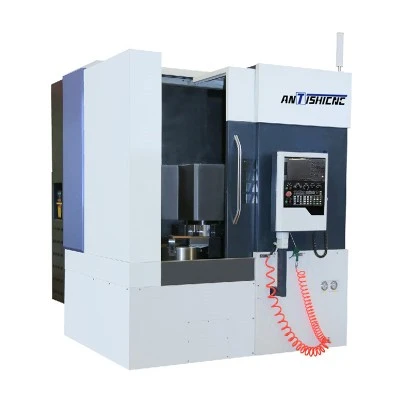
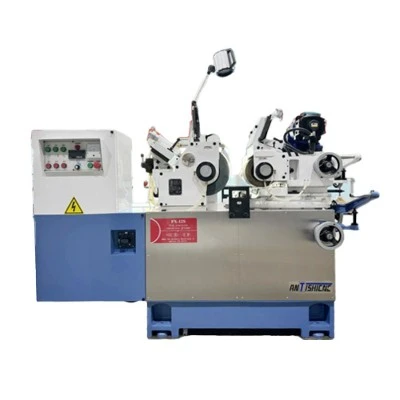
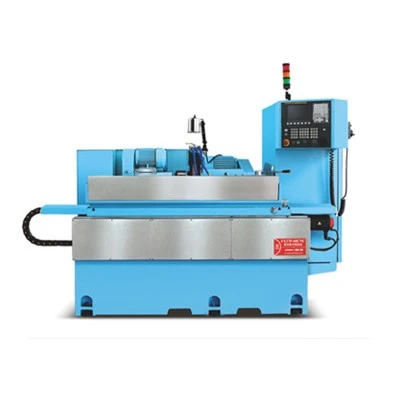
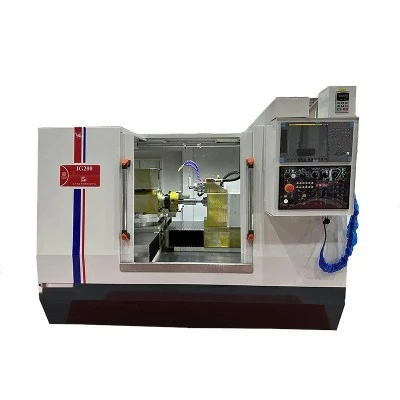
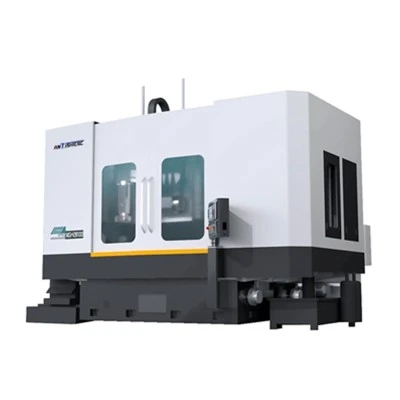
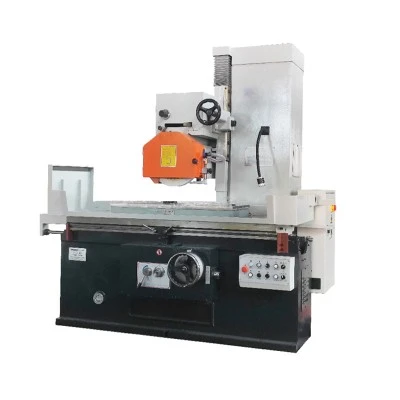
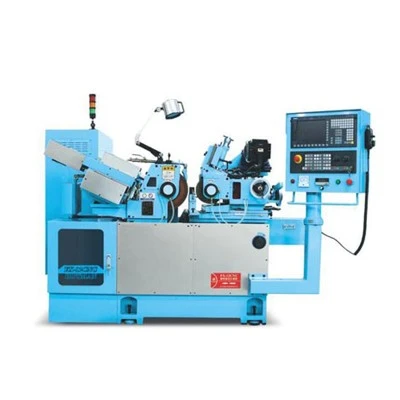
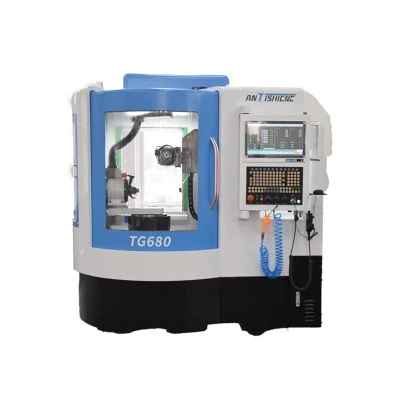

Hey there! As a supplier of CNC turning machines, I've seen firsthand how crucial every little component and process is in getting the best results. One thing that often doesn't get as much attention as it should is the coolant and its role in chip breaking during CNC turning operations. So, let's dive into what's going on with that coolant and how it helps break those chips.
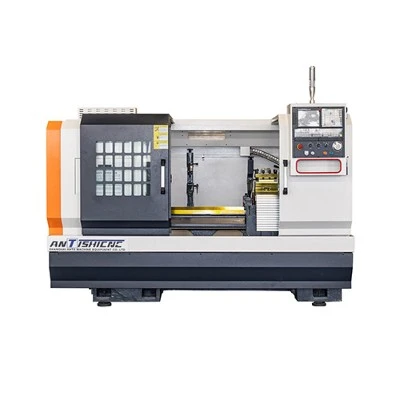
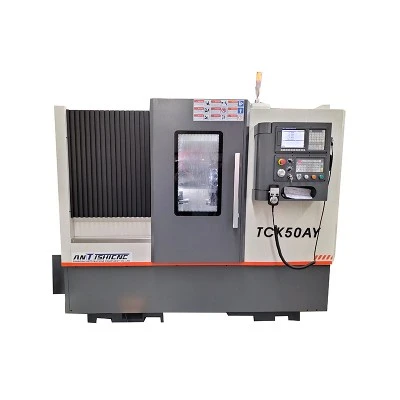
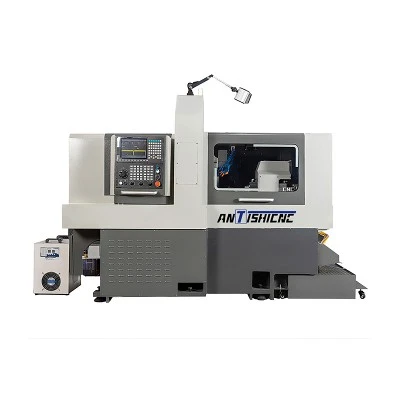
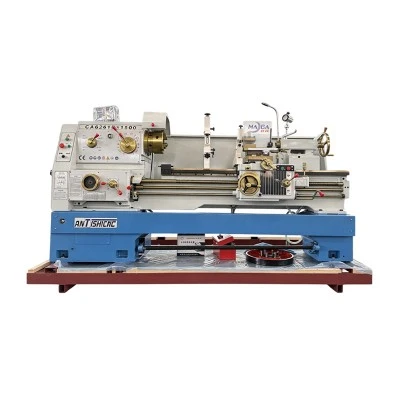
First off, what's chip breaking anyway? Well, when you're using a Horizontal CNC Lathe or any other CNC turning machine, the cutting tool is constantly removing material from the workpiece. This creates chips. If these chips aren't properly broken, they can cause all sorts of problems. Long, continuous chips can get tangled around the cutting tool, the workpiece, or even the machine itself. This can lead to poor surface finish on the workpiece, damage to the cutting tool, and in some cases, even stop the machine from working properly.


So, where does the coolant come in? Coolant has several important functions in the chip - breaking process. One of the main jobs of coolant is to reduce heat. When the cutting tool is in contact with the workpiece, a huge amount of heat is generated due to friction. High temperatures can have a negative impact on both the cutting tool and the chips.
The cutting tool can wear out much faster at high temperatures. This not only means more frequent tool changes, which can be costly and time - consuming, but it can also affect the quality of the cut. As for the chips, high heat can make them more ductile, which means they're less likely to break. The coolant helps to dissipate this heat by carrying it away from the cutting zone. By keeping the temperature down, the chips become more brittle and are more likely to break into smaller, more manageable pieces.
Another way coolant aids in chip breaking is through its lubrication properties. When the coolant lubricates the cutting tool and the workpiece interface, it reduces the friction between them. Lower friction means that the cutting forces are also reduced. With less force being applied, the chips are more likely to form in a way that promotes breaking. For example, a more consistent and controlled chip formation can lead to chips that are easier to break off at regular intervals.
The coolant also plays a role in physically removing the chips from the cutting area. It acts as a flushing agent. As the coolant is pumped onto the cutting zone, it pushes the chips away from the cutting tool and the workpiece. This is important because if the chips are allowed to accumulate in the cutting area, they can interfere with the cutting process and prevent proper chip breaking. By quickly removing the chips, the coolant ensures that the cutting tool can continue to operate effectively and that new chips can form and break in a normal manner.
Now, let's talk about the different types of coolants and how they can impact chip breaking. There are several types of coolants available, such as water - based coolants, oil - based coolants, and synthetic coolants.
Water - based coolants are very popular because they're relatively inexpensive and have good cooling properties. They can quickly absorb and carry away heat from the cutting zone. However, their lubrication properties may not be as good as oil - based coolants. But with the addition of certain additives, water - based coolants can still provide decent lubrication for chip breaking.
Oil - based coolants, on the other hand, are excellent at lubrication. They can significantly reduce friction and cutting forces, which is great for chip breaking. However, they tend to be more expensive and can be a bit messier to work with. They also have a lower cooling capacity compared to water - based coolants.
Synthetic coolants offer a good balance between cooling and lubrication. They're designed to have specific properties that can be tailored to different machining applications. For example, some synthetic coolants are formulated to be especially effective at chip breaking in high - speed CNC turning operations.
In a Flatbed CNC or Horizontal Turning Lathe, the proper application of coolant is also crucial. The coolant needs to be applied directly to the cutting zone at the right pressure and flow rate. If the pressure is too low, the coolant may not be able to effectively flush away the chips or reach all the areas where heat is being generated. If the flow rate is too high, it can cause splashing and waste coolant.
We, as a CNC turning machine supplier, understand the importance of getting the coolant right for successful chip breaking. We can offer advice on the best type of coolant to use for different materials and machining operations. Whether you're working with steel, aluminum, or other metals, we can help you find the coolant that will give you the best results in terms of chip breaking and overall machining performance.
If you're in the market for a CNC turning machine or need more information on how to optimize your chip - breaking process with coolant, don't hesitate to get in touch. We're here to assist you in making the most of your machining operations. Whether it's choosing the right machine, the right coolant, or setting up the coolant application system correctly, we've got the knowledge and experience to help you achieve great results.
In conclusion, the coolant is an unsung hero in the chip - breaking process of a CNC turning machine. It helps reduce heat, lubricate the cutting area, and flush away chips, all of which are essential for proper chip formation and breaking. By understanding the role of coolant and using it effectively, you can improve the quality of your machined parts, extend the life of your cutting tools, and increase the overall efficiency of your CNC turning operations.
So, if you're looking to take your CNC turning to the next level, give us a shout. We're ready to have a chat and see how we can help you optimize your chip - breaking process with the right coolant and the perfect CNC turning machine for your needs.
References
- "Machining Fundamentals" - A comprehensive guide on machining processes including CNC turning and the role of coolant.
- "Coolant Technology in Metal Cutting" - A research paper that delves into the science behind coolant use in machining operations.


