


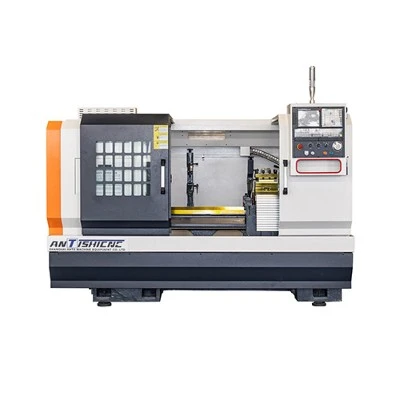
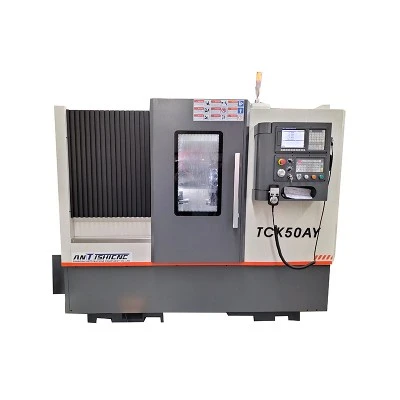
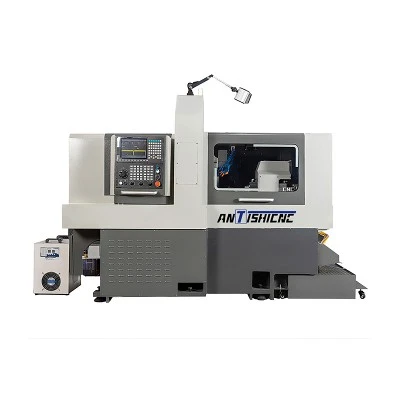
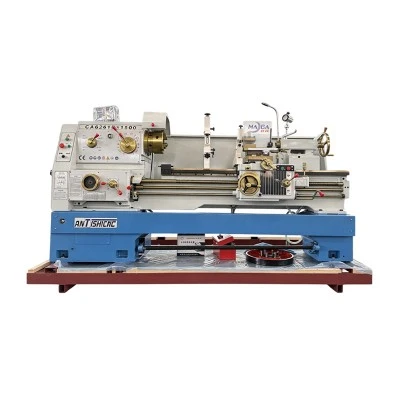
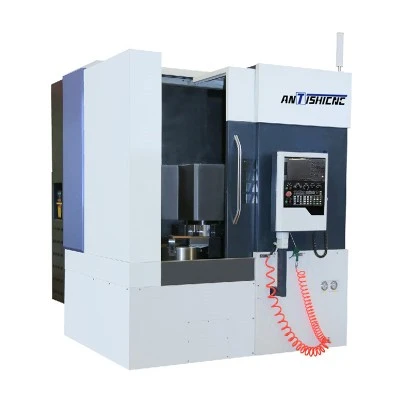
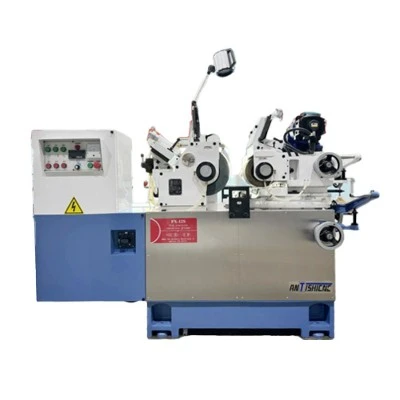
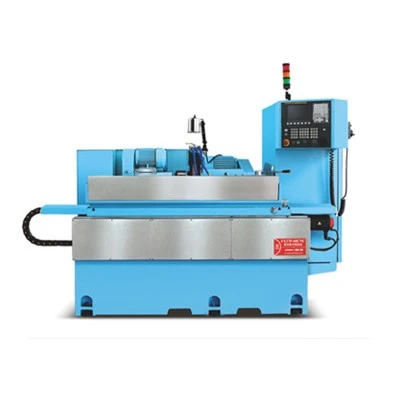
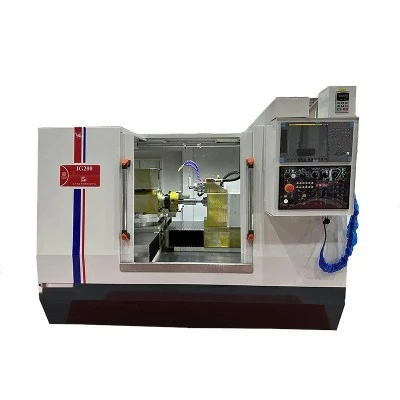
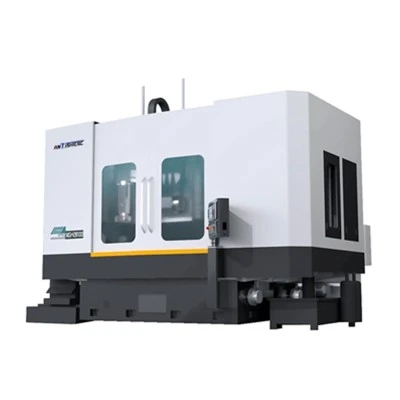
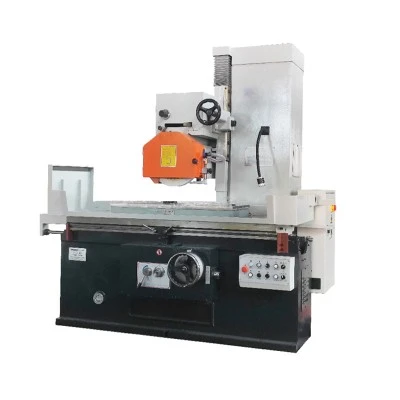
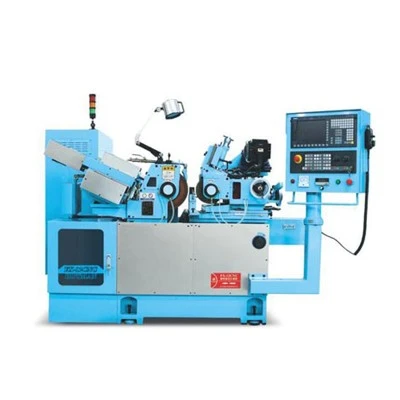
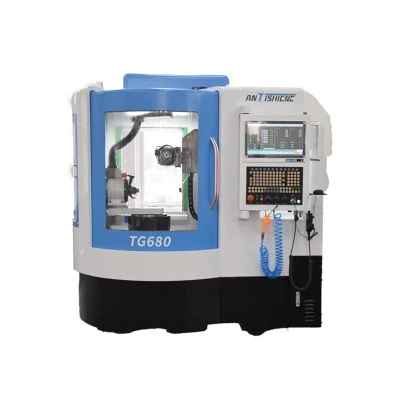

As a supplier of Flatbed CNC machines, I often get asked about the torque of a Flatbed CNC's spindle. Torque is a crucial factor in the performance of a CNC machine, especially when it comes to cutting and machining operations. In this blog post, I'll explain what torque is, why it matters in a Flatbed CNC machine, and how it affects the overall performance of the machine.
What is Torque?
Torque is a measure of the rotational force applied to an object. In the context of a Flatbed CNC machine, torque refers to the force that the spindle can exert to rotate the cutting tool. It is typically measured in Newton-meters (Nm) or foot-pounds (ft-lb). The higher the torque, the more force the spindle can apply, which means it can cut through tougher materials and perform more demanding machining operations.
To understand torque better, let's take a simple example. Imagine you're trying to loosen a tight bolt with a wrench. The longer the wrench, the more torque you can apply, making it easier to loosen the bolt. Similarly, in a Flatbed CNC machine, a higher torque spindle can provide more power to the cutting tool, allowing it to cut through materials more efficiently.
Why Does Torque Matter in a Flatbed CNC Machine?
Torque is a critical factor in the performance of a Flatbed CNC machine for several reasons:
1. Cutting Ability
The torque of the spindle determines the machine's ability to cut through different materials. Materials like steel, titanium, and other hard metals require more torque to cut through compared to softer materials like aluminum or plastic. A Flatbed CNC machine with a high-torque spindle can handle these tough materials with ease, making it suitable for a wider range of applications.
2. Machining Efficiency
Higher torque allows the cutting tool to remove material at a faster rate. This means that the machining process can be completed more quickly, increasing the overall efficiency of the machine. In a production environment, where time is money, a high-torque spindle can significantly reduce production times and increase productivity.
3. Surface Finish
Torque also affects the surface finish of the machined part. When the spindle has enough torque, the cutting tool can maintain a consistent cutting speed and feed rate, resulting in a smoother surface finish. On the other hand, if the torque is insufficient, the cutting tool may chatter or vibrate, leading to a poor surface finish and potentially damaging the part.
4. Tool Life
A spindle with adequate torque can reduce the stress on the cutting tool. When the tool has enough power to cut through the material, it doesn't have to work as hard, which can extend its lifespan. This not only saves on tooling costs but also reduces downtime for tool changes.
Factors Affecting Spindle Torque in a Flatbed CNC Machine
Several factors can affect the torque of a Flatbed CNC machine's spindle:


1. Motor Power
The power of the spindle motor is directly related to the torque it can produce. A more powerful motor can generate higher torque, allowing the spindle to handle more demanding cutting operations. When choosing a Flatbed CNC machine, it's important to consider the motor power based on the types of materials and machining operations you'll be performing.
2. Gearbox Design
Many Flatbed CNC machines use a gearbox to increase the torque output of the spindle motor. The design of the gearbox, including the number of gears and the gear ratios, can significantly affect the torque available at the spindle. A well-designed gearbox can provide a wide range of torque settings, allowing the machine to adapt to different cutting requirements.
3. Spindle Speed
Torque and spindle speed are inversely related. As the spindle speed increases, the torque output typically decreases. This is because the motor has to work harder to maintain the higher speed, leaving less power available for torque. Most Flatbed CNC machines are designed to provide a balance between torque and speed, with different torque curves at various speed ranges.
How to Choose the Right Torque for Your Flatbed CNC Machine
Choosing the right torque for your Flatbed CNC machine depends on several factors, including the materials you'll be machining, the type of cutting operations you'll be performing, and your production requirements. Here are some guidelines to help you make the right decision:
1. Consider the Materials
If you'll be machining hard materials like steel or titanium, you'll need a machine with a high-torque spindle. On the other hand, if you'll be working with softer materials like aluminum or plastic, a lower-torque spindle may be sufficient.
2. Evaluate the Cutting Operations
Different cutting operations require different levels of torque. For example, roughing operations, where a large amount of material is removed quickly, typically require more torque than finishing operations, where a finer surface finish is desired. Consider the types of cutting operations you'll be performing and choose a spindle with the appropriate torque for those operations.
3. Think About Production Volume
If you're running a high-volume production operation, you'll want a machine with a high-torque spindle to ensure efficient and consistent machining. A machine with lower torque may struggle to keep up with the production demands, leading to longer production times and potentially lower quality parts.
Comparing Flatbed CNC with Other Types of CNC Machines
When it comes to CNC machines, there are several types available, each with its own advantages and disadvantages. Let's compare Flatbed CNC machines with Horizontal CNC Lathe and Slant Bed CNC machines in terms of torque:
1. Horizontal CNC Lathe
Horizontal CNC lathes are designed for turning operations, where the workpiece rotates while the cutting tool moves along the axis of rotation. These machines typically have a high-torque spindle, which allows them to handle large and heavy workpieces. The horizontal orientation of the spindle also provides better stability and support, making it suitable for machining long and cylindrical parts.
2. Slant Bed CNC
Slant bed CNC machines are similar to horizontal CNC lathes but have a slanted bed design. This design provides better chip evacuation and improved access to the cutting area. Slant bed CNC machines also typically have a high-torque spindle, making them suitable for a wide range of turning operations. The slanted bed design also allows for better rigidity and stability, resulting in more accurate machining.
3. CNC Turn Mill Center Machine
CNC turn mill center machines combine the capabilities of a lathe and a milling machine. These machines can perform both turning and milling operations on a single workpiece, offering greater flexibility and efficiency. The spindle torque of a CNC turn mill center machine is crucial, as it needs to be able to handle both the rotational forces of turning and the cutting forces of milling.
Conclusion
Torque is a critical factor in the performance of a Flatbed CNC machine. It determines the machine's cutting ability, machining efficiency, surface finish, and tool life. When choosing a Flatbed CNC machine, it's important to consider the torque requirements based on the materials you'll be machining, the types of cutting operations you'll be performing, and your production volume.
As a supplier of Flatbed CNC machines, we understand the importance of torque and offer a range of machines with different torque ratings to meet the needs of our customers. If you're interested in learning more about our Flatbed CNC machines or have any questions about torque or other aspects of CNC machining, please don't hesitate to contact us. We'd be happy to discuss your requirements and help you find the right machine for your application.
References
- "CNC Machining Handbook" by John Doe
- "Fundamentals of Manufacturing Processes" by Jane Smith


