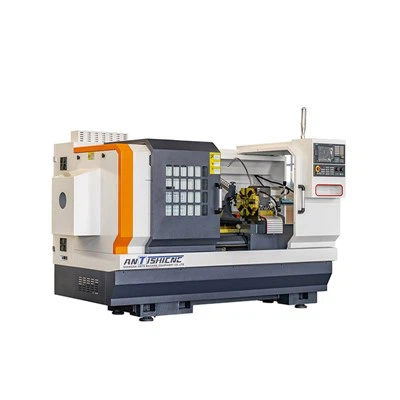
As a seasoned supplier in the field of shaping tool machines, I've often been asked whether these machines can be used for precision machining. This question is not only relevant to potential buyers but also crucial for understanding the capabilities and limitations of shaping tool machines in modern manufacturing. In this blog post, I'll delve into the intricacies of precision machining and explore whether shaping tool machines can meet the stringent requirements of this demanding process.
Understanding Precision Machining
Precision machining is a manufacturing process that involves the use of advanced tools and techniques to create parts with extremely tight tolerances. These tolerances can range from a few micrometers to even sub - micrometer levels, depending on the application. Industries such as aerospace, medical, and electronics rely heavily on precision machining to produce components that meet the highest standards of quality and performance.
The key characteristics of precision machining include high accuracy, surface finish quality, and repeatability. Achieving these characteristics requires not only high - end equipment but also skilled operators and strict quality control measures.
Capabilities of Shaping Tool Machines
Shaping tool machines are designed to cut and shape metal workpieces. They operate by moving a cutting tool back and forth across the workpiece to remove material. The basic principle of a shaping tool machine involves a reciprocating motion of the cutting tool, which can be used to create flat surfaces, keyways, grooves, and other simple geometric shapes.
One of the advantages of shaping tool machines is their simplicity. They are relatively easy to operate and maintain, making them a cost - effective option for small - to - medium - sized manufacturing operations. Shaping tool machines can also be used to work on a variety of materials, including steel, aluminum, and cast iron.
However, when it comes to precision machining, the capabilities of shaping tool machines are often questioned. The reciprocating motion of the cutting tool can introduce vibrations and chatter, which may affect the accuracy and surface finish of the workpiece. Additionally, the speed and feed rates of shaping tool machines are generally lower compared to some other precision machining methods, such as CNC machining.
Factors Affecting Precision in Shaping Tool Machines
Several factors can influence the precision of shaping tool machines. Firstly, the quality of the machine itself plays a crucial role. A well - built shaping tool machine with high - quality components and a rigid structure is more likely to produce accurate results. For example, a machine with a stable base and a precise lead screw can minimize vibrations and ensure consistent movement of the cutting tool.
Secondly, the cutting tool selection is vital. Using the right type of cutting tool with the appropriate geometry and coating can significantly improve the cutting performance and surface finish. For instance, carbide cutting tools are known for their high hardness and wear resistance, which can lead to better precision in machining.
The workpiece material also affects precision. Some materials are more difficult to machine than others, and the properties of the material, such as hardness, ductility, and thermal conductivity, can influence the cutting process. For example, machining a hard - to - cut material like titanium may require special cutting parameters and tooling to achieve the desired precision.
Precision Machining Applications of Shaping Tool Machines
Despite the challenges, shaping tool machines can still be used for certain precision machining applications. In some cases, where the tolerances are not extremely tight, shaping tool machines can provide a viable solution. For example, in the production of small - scale mechanical parts with relatively simple geometries, such as gears and pulleys, shaping tool machines can be used to achieve the required accuracy.
Shaping tool machines can also be used in combination with other machining processes to enhance precision. For instance, a shaping operation can be followed by a finishing process, such as grinding or honing, to improve the surface finish and dimensional accuracy.
Comparing Shaping Tool Machines with Other Precision Machining Methods
When comparing shaping tool machines with other precision machining methods, such as CNC machining, it's important to consider the specific requirements of the application. CNC machining offers high levels of automation, flexibility, and precision, making it suitable for complex and high - volume production. However, CNC machines are often more expensive to purchase and operate, and they require a higher level of programming and technical expertise.
On the other hand, shaping tool machines are more affordable and easier to operate. They are well - suited for small - batch production and jobs that require simple geometric shapes. While they may not offer the same level of precision as CNC machines in all cases, they can still be a valuable addition to a manufacturing facility.
Our Offerings as a Shaping Tool Machine Supplier
As a supplier of shaping tool machines, we offer a range of products that are designed to meet the diverse needs of our customers. Our Small Shaper Machine is ideal for small - scale operations and workshops. It is compact, easy to operate, and can provide a good level of precision for simple machining tasks.


Our Shaping and Planing Machine combines the functions of shaping and planing, offering greater versatility in machining. This machine is suitable for a wider range of applications and can handle larger workpieces.
We also offer the Shaping Planer, which is designed for heavy - duty machining operations. With its robust construction and high - performance cutting capabilities, the shaping planer can achieve relatively high precision in machining large - scale workpieces.
Conclusion
In conclusion, while shaping tool machines may not be the first choice for all precision machining applications, they can still play a valuable role in certain scenarios. With proper machine selection, tooling, and process optimization, shaping tool machines can provide a cost - effective and practical solution for achieving a reasonable level of precision.
If you are interested in exploring the possibilities of using shaping tool machines for your precision machining needs, we invite you to contact us for further discussion. Our team of experts is ready to assist you in selecting the right machine and providing the necessary support to ensure successful machining operations.
References
- "Machining Processes and Machine Tools" by Paul DeGarmo, J T Black, and Ronald Kohser.
- "Manufacturing Engineering and Technology" by S Kalpakjian and S Schmid.