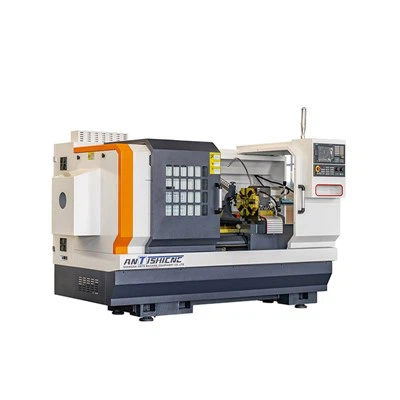
When it comes to heavy lathe machines, one of the most critical questions that manufacturers, machinists, and procurement officers often ask is, "What is the maximum weight capacity of a heavy lathe machine?" Understanding this parameter is essential as it directly impacts the types of workpieces a lathe can handle, the quality of the machining process, and ultimately, the efficiency and productivity of a manufacturing operation. As a leading supplier of heavy lathe machines, I am here to shed light on this important topic.
Factors Influencing the Maximum Weight Capacity
The maximum weight capacity of a heavy lathe machine is not a fixed number but is influenced by several key factors. These factors work in tandem to determine the safe and effective weight that a lathe can handle.
Structural Integrity
The structural design and build quality of the lathe are fundamental in determining its weight - bearing capacity. A heavy lathe with a robust and well - engineered frame can withstand greater forces and heavier workpieces. For example, lathes constructed from high - grade cast iron or steel alloys are generally more capable of handling heavy loads. The thickness of the bed, the size and strength of the headstock, and the stability of the tailstock all contribute to the overall structural integrity. A lathe with a thick and rigid bed can better distribute the weight of the workpiece, reducing the risk of deflection or vibration during machining.
Spindle Size and Power
The spindle is the heart of a lathe machine, and its size and power play a crucial role in determining the weight capacity. A larger spindle diameter can typically handle heavier workpieces. This is because a larger spindle has a greater surface area for gripping the workpiece and can transmit more torque without overloading. Additionally, the power of the spindle motor is also important. A more powerful motor can provide the necessary force to rotate heavy workpieces at the required speeds. For instance, a lathe with a high - horsepower spindle motor can easily turn a large and heavy steel workpiece, while a less powerful motor may struggle or even stall under the same load.
Bearing Quality
Bearings are responsible for supporting the rotating components of the lathe, such as the spindle. High - quality bearings can handle greater radial and axial loads, which is essential when dealing with heavy workpieces. Bearings with a large load - rating capacity can ensure smooth and stable rotation, even under heavy loads. Inferior bearings may wear out quickly or fail under excessive weight, leading to inaccurate machining and potential damage to the lathe.
Different Types of Heavy Lathe Machines and Their Weight Capacities
There are various types of heavy lathe machines available in the market, each with its own range of weight capacities.
7 Feet Lathe Machine
The 7 Feet Lathe Machine is a popular choice for medium - sized machining operations. These lathes typically have a weight capacity ranging from 1,000 to 3,000 pounds. They are suitable for machining workpieces of moderate size and weight, such as small to medium - sized shafts, gears, and cylinders. The 7 - foot length of the bed provides enough space for these types of workpieces while still maintaining a relatively compact footprint in the workshop.
Traditional Lathe
Traditional Lathe machines come in a wide range of sizes and weight capacities. Smaller traditional lathes may have a weight capacity of around 500 pounds, while larger ones can handle up to 5,000 pounds or more. Traditional lathes are known for their simplicity and reliability, making them a favorite among many machinists. They are often used for general - purpose machining tasks, including turning, facing, and threading.
Large Lathe Machine
Large Lathe Machine are designed to handle extremely heavy and large - scale workpieces. These lathes can have weight capacities ranging from 5,000 pounds to over 20,000 pounds. They are commonly used in industries such as aerospace, automotive, and heavy machinery manufacturing, where large and heavy components need to be machined with high precision. Large lathes often have specialized features, such as oversized spindles, heavy - duty beds, and powerful motors, to accommodate the massive weight of the workpieces.
Importance of Staying Within the Weight Capacity
It is crucial to stay within the maximum weight capacity of a heavy lathe machine for several reasons.
Safety
Exceeding the weight capacity of a lathe can pose a significant safety risk. The lathe may become unstable, leading to vibrations, wobbling, or even tipping over. This can cause serious injury to the operator and damage to the surrounding equipment. Additionally, overloading the lathe can put excessive stress on its components, increasing the likelihood of mechanical failure, such as broken spindles or bearings.
Machining Quality
When a lathe is overloaded, it can affect the quality of the machining process. Excessive weight can cause deflection in the workpiece or the lathe components, resulting in inaccurate dimensions and poor surface finish. Vibration caused by overloading can also lead to chatter marks on the workpiece, reducing its overall quality. Staying within the weight capacity ensures smooth and stable machining, resulting in high - quality finished products.
Equipment Lifespan
Overloading a lathe machine can significantly reduce its lifespan. The excessive stress on the components can cause premature wear and tear, leading to frequent breakdowns and costly repairs. By operating the lathe within its weight capacity, you can extend its service life and reduce maintenance costs in the long run.
How to Determine the Right Heavy Lathe Machine for Your Needs
When selecting a heavy lathe machine, it is essential to consider your specific machining requirements. Here are some steps to help you determine the right lathe:
Assess Your Workpiece Size and Weight
First, analyze the size and weight of the workpieces you typically need to machine. Make a list of the largest and heaviest workpieces you expect to handle in the future. This will give you an idea of the minimum weight capacity required for your lathe.
Consider Your Machining Operations
Think about the types of machining operations you will be performing, such as turning, boring, or threading. Some operations may require more power and stability than others. For example, boring large - diameter holes in a heavy workpiece may demand a more powerful lathe with a higher weight capacity.
Evaluate Your Budget
Heavy lathe machines can vary significantly in price depending on their size, features, and weight capacity. Set a budget for your purchase and look for lathes that offer the best combination of performance and value within your price range.
Conclusion
In conclusion, the maximum weight capacity of a heavy lathe machine is a complex parameter influenced by factors such as structural integrity, spindle size and power, and bearing quality. Different types of heavy lathe machines, such as 7 - feet lathes, traditional lathes, and large lathes, have varying weight capacities to suit different machining needs. It is crucial to stay within the weight capacity of a lathe for safety, machining quality, and equipment lifespan.


If you are in the market for a heavy lathe machine and need help determining the right one for your specific requirements, we are here to assist you. Our team of experts can provide you with detailed information and guidance to ensure you make an informed decision. Contact us today to start the procurement process and take your machining operations to the next level.
References
- Machinery's Handbook: A comprehensive reference book for mechanical engineers and machinists, providing detailed information on lathe machines and their capabilities.
- Lathe Manufacturer's Manuals: The manuals provided by lathe manufacturers offer specific details about the weight capacity and operating parameters of their machines.
- Industry Standards and Guidelines: Various industry standards and guidelines set by organizations such as the American National Standards Institute (ANSI) and the International Organization for Standardization (ISO) provide information on the design and performance of lathe machines.