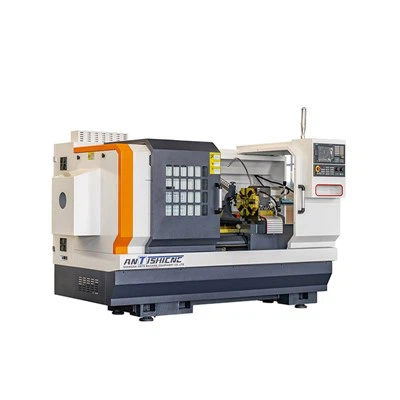
Setting up a heavy lathe machine for a new job is a meticulous process that requires a comprehensive understanding of the machine's components, safety protocols, and the specific requirements of the task at hand. As a heavy lathe machine supplier, I've witnessed firsthand the importance of a proper setup to ensure optimal performance and safety. In this blog, I'll guide you through the step-by-step process of setting up a heavy lathe machine for a new job.
Step 1: Pre - Setup Inspection
Before you start setting up the heavy lathe machine, a thorough inspection is essential. First, check the physical condition of the machine. Look for any signs of damage, such as cracks in the bed, loose bolts, or worn - out components. A damaged machine can not only lead to poor machining results but also pose a significant safety risk.

Inspect the electrical system. Ensure that all wiring is intact, and there are no exposed wires or short - circuits. Faulty electrical connections can cause the machine to malfunction or even result in electrical shocks. Also, check the lubrication system. Make sure that there is an adequate amount of lubricant in the reservoirs and that the lubrication lines are not clogged. Proper lubrication is crucial for reducing friction and wear on the machine's moving parts.
Step 2: Select the Right Tooling
The choice of tooling depends on the type of material you'll be machining and the specific operation you'll be performing. For instance, if you're working with hard metals like steel, you'll need carbide - tipped tools. Carbide tools are known for their high hardness and wear resistance, making them suitable for heavy - duty machining.
On the other hand, if you're machining softer materials like aluminum, high - speed steel tools may be sufficient. High - speed steel tools are more affordable and can provide good cutting performance on softer materials. You can learn more about traditional tooling options for lathe machines on our Traditional Lathe page.
Step 3: Mount the Workpiece
Mounting the workpiece correctly is crucial for achieving accurate machining results. First, clean the workpiece and the chuck or collet that will hold it. Any dirt or debris can cause the workpiece to be misaligned, leading to inaccurate cuts.
If you're using a chuck, make sure that the jaws are properly adjusted to grip the workpiece firmly. For larger workpieces, you may need to use a faceplate or a mandrel. A faceplate allows you to mount irregularly shaped workpieces, while a mandrel is used for machining cylindrical workpieces with a central hole. You can find more information about mounting workpieces on our Traditional Lathe Machine page.
Step 4: Set the Cutting Parameters
The cutting parameters, including the cutting speed, feed rate, and depth of cut, play a vital role in the machining process. The cutting speed is determined by the type of material being machined and the diameter of the workpiece. For example, when machining steel, a higher cutting speed can be used compared to when machining cast iron.
The feed rate refers to the distance the tool moves along the workpiece per revolution. A higher feed rate can increase the machining efficiency but may also result in a rougher surface finish. The depth of cut is the thickness of the material removed in each pass. It should be carefully selected based on the capabilities of the machine and the strength of the tool.
Step 5: Align the Tool
Proper tool alignment is essential for accurate machining. Use a tool post to hold the cutting tool. Make sure that the tool is centered with respect to the workpiece. You can use a dial indicator to check the alignment. The dial indicator can measure the deviation of the tool from the centerline of the workpiece and help you make the necessary adjustments.
Step 6: Test Run
Before starting the actual machining operation, it's a good idea to perform a test run. This allows you to check if everything is set up correctly and to identify any potential issues. Start the machine at a low speed and let it run for a few minutes. Observe the movement of the tool and the workpiece. Listen for any unusual noises or vibrations.
If you notice any problems during the test run, stop the machine immediately and make the necessary adjustments. This could involve re - aligning the tool, adjusting the cutting parameters, or tightening loose components.
Step 7: Safety Precautions
Safety should always be a top priority when working with a heavy lathe machine. Wear appropriate personal protective equipment (PPE), such as safety glasses, gloves, and a face shield. Safety glasses protect your eyes from flying chips, while gloves provide a better grip on the tools.
Keep the work area clean and free of clutter. Remove any chips or debris from the machine regularly. Make sure that all guards are in place and functioning properly. Guards prevent accidental contact with the moving parts of the machine, reducing the risk of injury.
Step 8: Monitor the Machining Process
Once the actual machining operation starts, monitor the process closely. Check the surface finish of the workpiece regularly. If the surface finish is not satisfactory, you may need to adjust the cutting parameters. Also, keep an eye on the tool wear. A worn - out tool can cause poor machining results and may even damage the workpiece.
If you're machining a large workpiece, you may need to take breaks to allow the machine to cool down. Overheating can cause the machine to malfunction and reduce its lifespan.
Step 9: Post - Machining Cleanup
After the machining operation is complete, clean the machine thoroughly. Remove all chips and debris from the bed, chuck, and tool post. Wipe down the machine with a clean cloth to remove any oil or coolant residue.
Inspect the tools and the workpiece. If the tools are worn out, replace them. Store the tools in a proper toolbox to prevent damage. The workpiece should be cleaned and inspected for any defects.
Step 10: Maintenance
Regular maintenance is crucial for keeping the heavy lathe machine in good working condition. Follow the manufacturer's maintenance schedule. This may include tasks such as changing the lubricant, checking the belts and pulleys, and inspecting the electrical system.
By following these steps, you can set up a heavy lathe machine for a new job efficiently and safely. If you're in the market for a Large Lathe Machine or need more information about our products, we're here to assist you. Whether you're a small - scale workshop or a large - scale manufacturing facility, we have the right heavy lathe machine to meet your needs. Contact us today to start a procurement discussion and find the perfect solution for your machining requirements.
References
- "Machining Handbook" by Industrial Press Inc.
- "Lathe Operations Manual" provided by various lathe machine manufacturers.